From Stage to Spotify Charts: Why Comp Dancers Make Great Musicians

For many, dance is not the end-all and be-all, but rather a pipeline to creative freedom and exploration across industries—including music. This was abundantly clear in the late 1980s through the 2000s, when pop-music icons like Britney Spears, Jennifer Lopez, and Janet Jackson made dance a defining part of their identities, proving that both forms of artistry could coexist beautifully.
But in the years that followed, the dancer-singer image dwindled, taking a backseat to the Disney-Channel-sitcom-to-pop-star route that gave us Hilary Duff, Selena Gomez, and Demi Lovato. (Though who could forget those classic “Disney knees”?)
An exciting resurgence has now begun bubbling within the industry, however, with dancers like GiaNina Paolantonio, Christina Ricucci, Mackenzie “kenzie” Ziegler, and Coco Quinn shifting their sights from the stage to Spotify charts. And there’s Tate McRae, of course, whose dancer-to-singer journey is one that’s made international headlines.
While not all of these artists continue to make dance part of their musical identities, their dance backgrounds have provided them with unique and undeniable skills. So what about these competition icons we’ve come to know and love has prepared them to dive into pop-music stardom?
Artists by Nature
Dancers are no strangers to having all eyes on them, even when the pressure is high and the storytelling feels deeply personal. That comfort with vulnerability translates into authentic songwriting and singing.
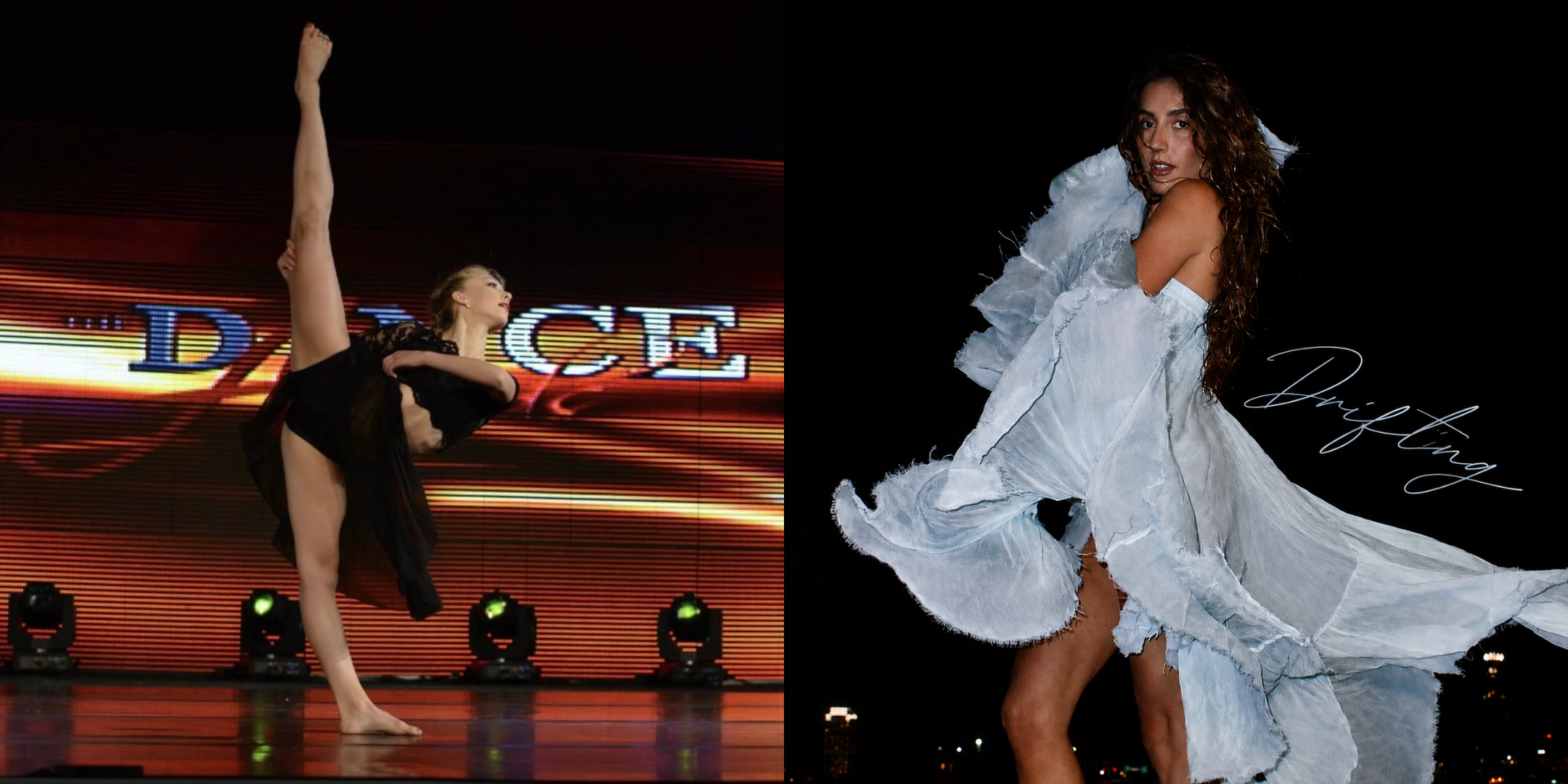
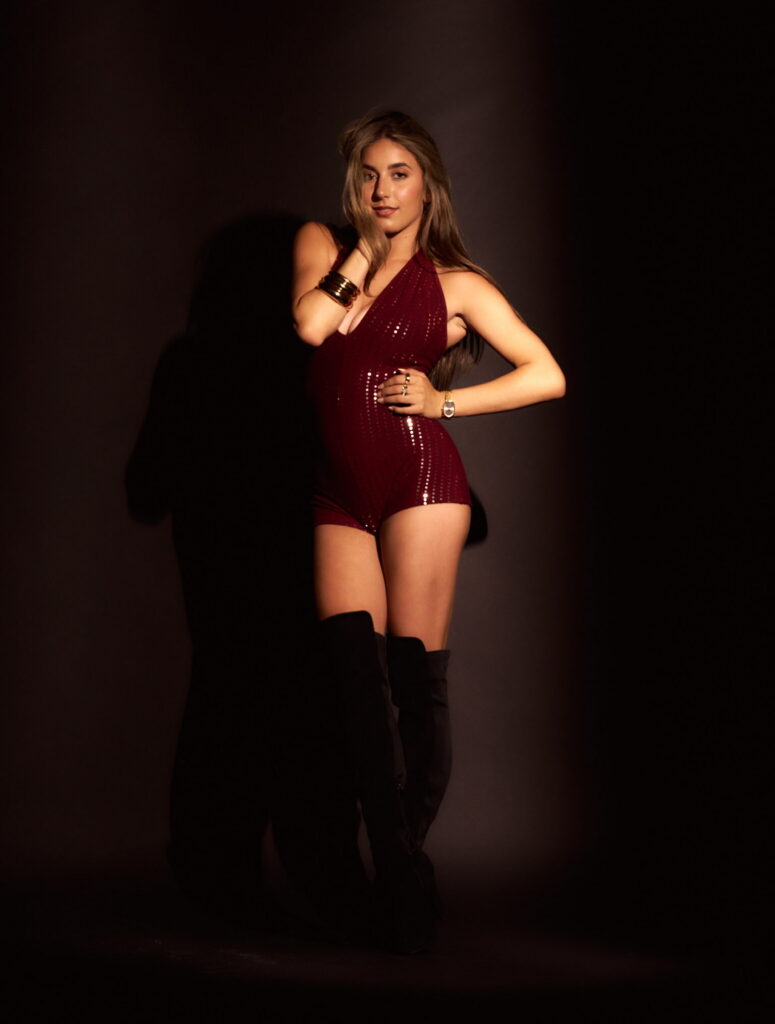
“Dancers are very confident, outgoing people, and that’s really shaped me into being the perfect human to be thrown into another genre of art,” says Paolantonio, whose dance credits span Broadway, The Greatest Showman, “Dance Moms,” and touring with Mariah Carey. She released three singles—“I See It,” “Should’ve Known Better,” and “Drifting”—earlier this year.
“When you dance, you always connect [the movement] to your own life,” Paolantonio continues. “Even if you’re doing someone else’s steps, there’s always a soul moment.” She feels that naturally translate into music, where truthful storytelling is key to creating lyrics that strike a chord.
A Dancer’s Ear
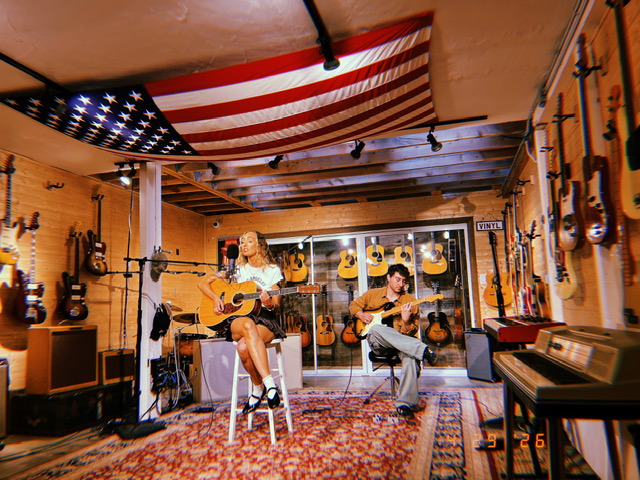
Both Paolantonio and Ricucci, another former comp-circuit superstar, spent their childhoods exposed to all varieties of music and combining song and movement, which equipped them with specific skills. (Paolantonio’s childhood experiences in musical theater on Broadway and in The Greatest Showman helped her bridge the gap from dancer to recording artist.)
“As a dancer, you have to learn to adapt to the choreographer’s ear,” says Paolantonio. When writing music, that experience helps her know what to ask for, like adding more “and” counts, and when. “Having a dancer’s ear is really sick in a room that’s not full of dancers,” she adds.
Ricucci, whose single “Magnum Opus” dropped in July, agrees: “As a choreographer or dancer, you notice all these extra little sounds that are tucked away, and you can bring them to the surface more [when writing music].” Lyrics add another layer to that, she says, especially when the right words are paired with the right sounds. That nuanced appreciation allows Ricucci to, as a dancer, dig deeper into a song’s hardwiring, and as a songwriter, understand the importance of a complex, resonant melody.
“Sonically speaking, when you are in the process of creating your own song, you see how much of a labor of love goes into [every detail],” she says. “It makes you listen to music so differently.”
Ensemble Work
Another important skill that competition and commercial dancers possess is expert collaboration. From learning how to be a valuable teammate to understanding timing and the bigger picture, partnership fuels dance artists of all kinds. That’s key in the music studio when, between writers, producers, agents, and more, there’s often no single voice that brings a song to life.
Both Paolantonio and Ricucci operate with open minds, bringing skills and values they’ve acquired as dancers, like versatility and teamwork, into their music careers. “[I’m excited to] collaborate with artists who inspire me creatively, in whatever form it may be,” says Ricucci, who often works with her music-producer brother. Their comfort with each other, she says, makes for strong synergy.
A New Image
While the pipeline of dancer to recording artist may seem straightforward—industry-wise, the two intersect often—the challenge for these multi-hyphenates often has to do with identity. In dance, early careers and resumés are often molded by the choreographers that shape them. But what happens when dancers take hold of a new type of clay?
“I don’t want to be cornered into a music niche, genre, or style, because that’s not who I am as a person,” Paolantonio explains. As a multifaceted artist, “I don’t want to become ‘just another.’ ”
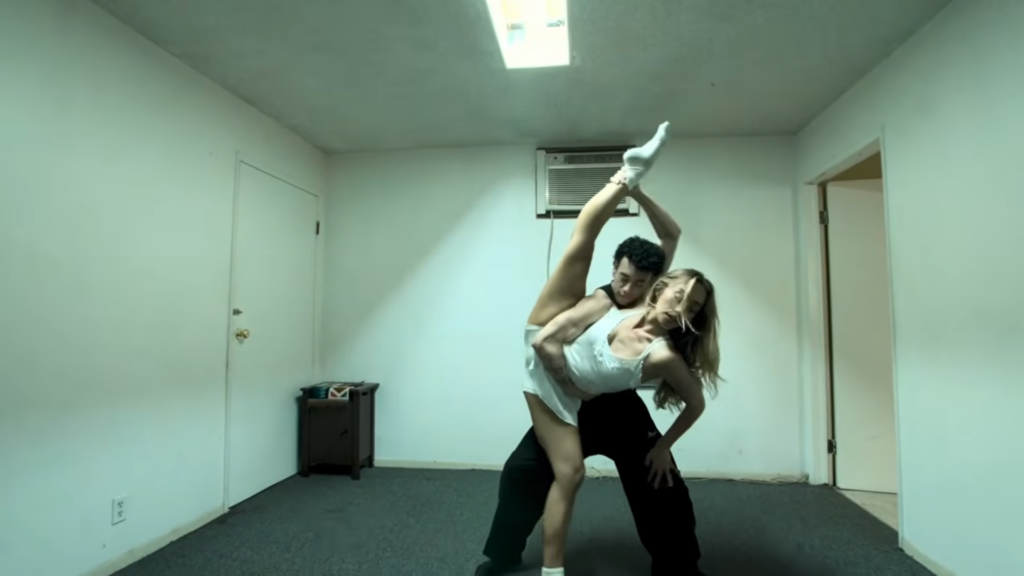
Both she and Ricucci have moved into their music careers slowly. It took time for Ricucci to recover—both physically and mentally—from an illness that took her out of full-time dance. “It took me, honestly, up until this year to feel fully healed and confident enough to expand into the other art forms I’ve always wanted to do,” she says. “Now, it feels much more genuine to who I am today.”
For Paolantonio, her musical evolution has involved testing out projects and styles she resonates with, rather than jumping into boxes that don’t quite fit. It’s a process—but that’s the beauty of it, she says: finding “just right.”
Dance Skills, Life Skills
A childhood in dance can lay the foundation for a lifetime of expert storytelling. For many, that naturally translates into writing music, while others may take those skills into equally extraordinary fields. The through line, however, is that an upbringing on the stage provides artists with core essentials for success: collaboration, confidence, and a keen ear for what resonates with others.
It’s those qualities that make dancers naturally iconic pop stars—and as a new era of artists is now breaking ground, we at Dance Spirit can’t wait to keep listening.


