How “Spider-Man: Brand New Day” Used Choreography to Show Superpowers Without CGI

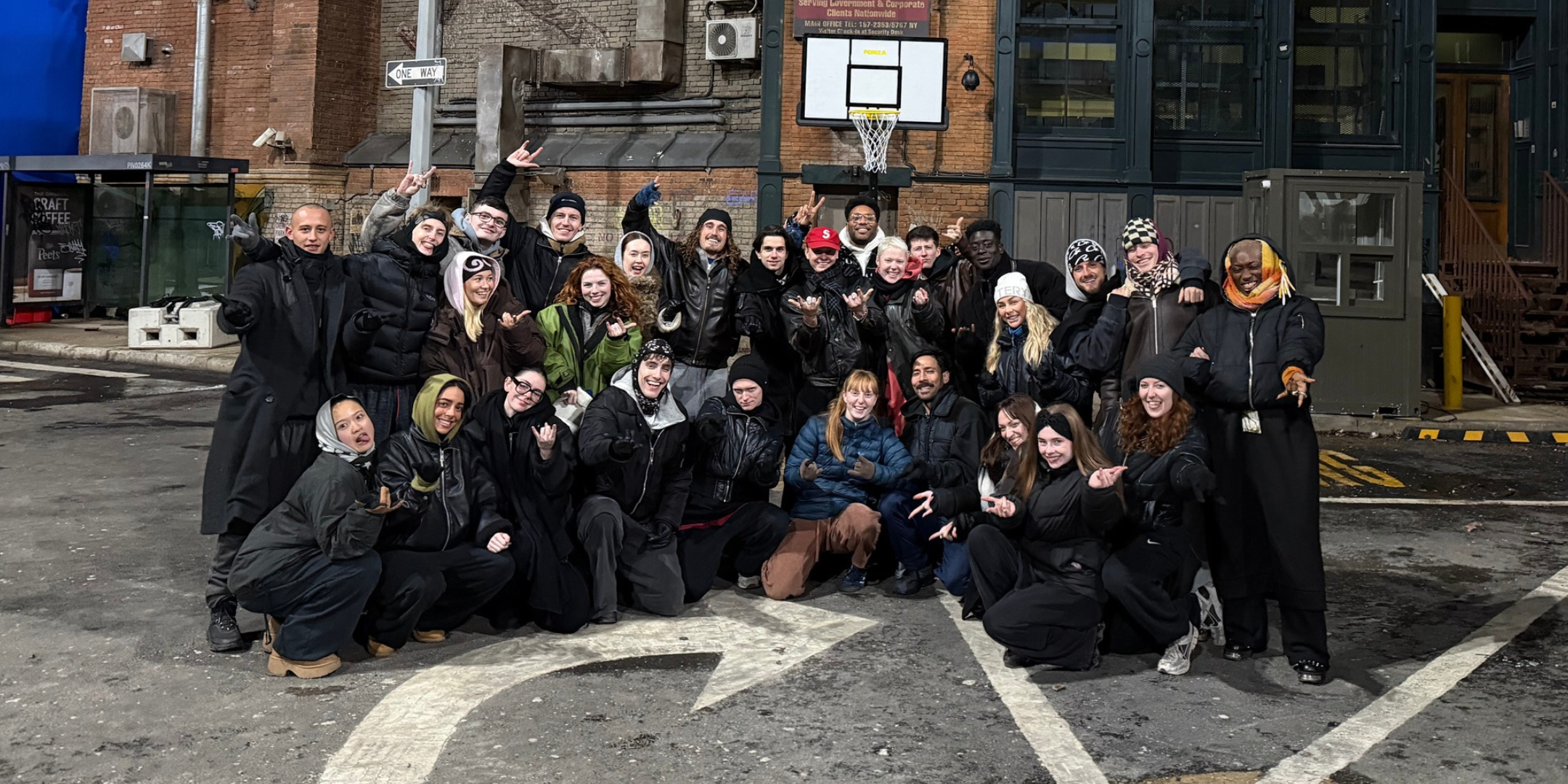
If you, like me, are part of the Venn diagram overlap of “dancer” and “person likely to watch a superhero movie,” you probably realized before the credits rolled on Spider-Man: Brand New Day what the blockbuster’s secret weapon was: choreography, and a lot of dancers. But unlike in Tobey Maguire’s Spider-Man 3, there isn’t a standalone dance scene (even though we know Tom Holland and Zendaya would have crushed one). Woven throughout Brand New Day are sequences where a mysterious antagonistic force rapidly leaps from person to person—pedestrians referred to as “The Inhabited”—an effect shown not through CGI but through dancers executing carefully crafted movement.
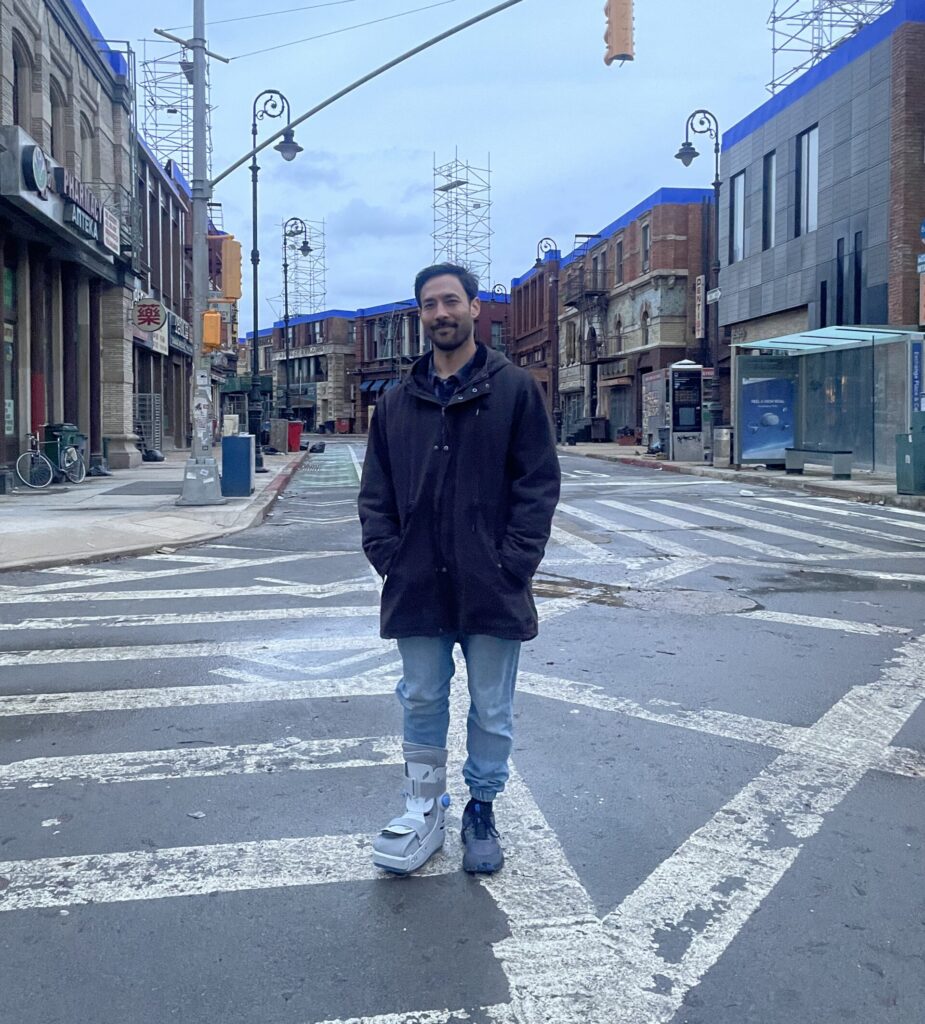
The choreographer behind those sequences? Nathan Kim, whose multifaceted career in L.A.’s commercial-dance scene has taken him from performing with Ryan Heffington to choreographing for Charli XCX to working on dance films with the likes of Robbie Blue and JA Collective—plus gathering a handful of cinematography credits (including for Lady Gaga). “I love tapping into an energy of play,” he says. “That is my ideal creative space: when it’s an energy in the room where we’re all collaborators.”
That collaborative ethos and extensive experience made Kim the perfect fit for Brand New Day. Read on for his thoughts on using movement to showcase (SPOILER ALERT!) Jean Grey’s telepathic powers—and the superpower dancers bring to film sets.
How did you get the Brand New Day gig?
Destin Daniel Cretton—the director—and I both grew up on Maui. It wasn’t until we both ended up in L.A. that we got to be better friends, but he doesn’t utilize movement in most of his films. But for this one, he asked if I could have a conversation with him about this character and this idea of energy passing through other bodies.
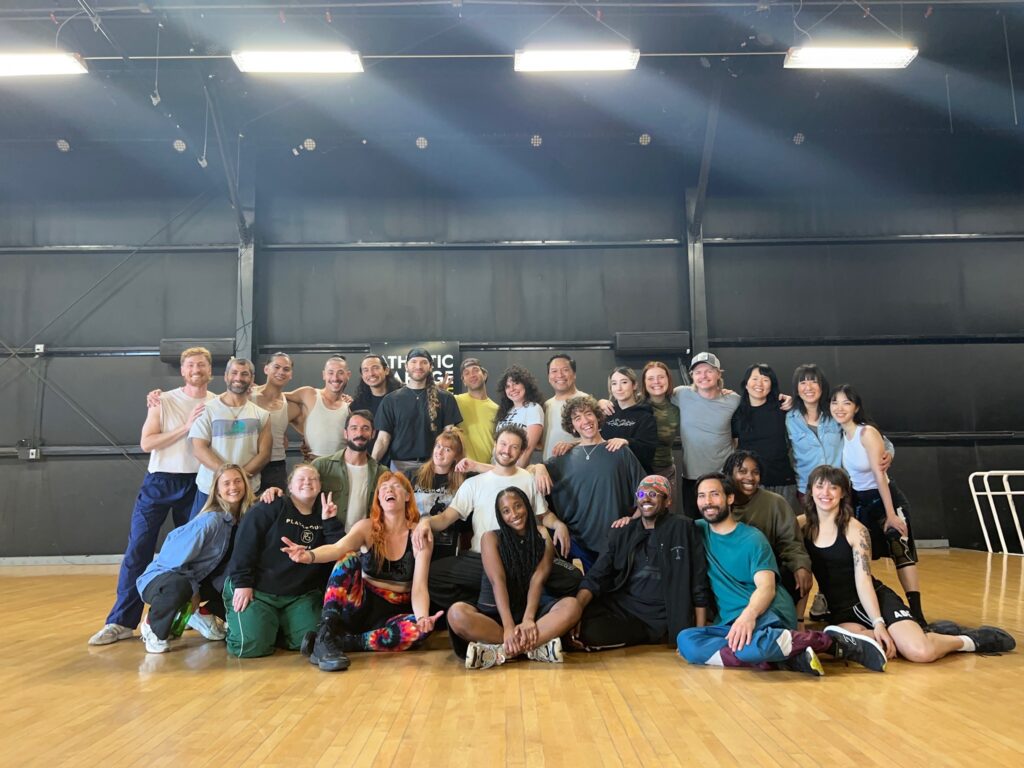
A few months later, Destin asked if I would show production some ideas. So I pulled together 25 of my favorite movement artists in L.A., and we got a week together in the studio. We left a whole spectrum of ideas with production, and a few weeks later they said, “We really love all the things you created; we want to move forward and fly you out to London.” I guess at that point I realized I was doing it. [Laughs]
Marvel is notoriously tight-lipped around spoilers. At what point did you find out the character whose powers you were illustrating was X-Men’s Jean Grey?
I knew by the time I was working on stuff in L.A. Destin had sent me clips of how they had shown mind control before, which was subtle and wasn’t really going to work for a high-energy action scene. They gave us a lot of freedom to find our own approach. To get the movement to read on camera, it needed to be big enough to catch your eye so you can follow it, but it also needed to feel human; you don’t want pedestrians to look like dancers doing something absurd that’s going to take you out of it. At the end of the day, we’re making entertainment for people, and hopefully something that they connect with. By relying on human bodies, it gives the audience a much more visceral experience.
We’re making a film about superheroes, and we got to bring in people that have a superpower of their own: dancers. They are masters of physical expression; they push the limits of what they can do in terms of shapes, dynamics, timing, and expression. They told this story through their physicality, and we didn’t have to use special effects or AI to make it happen.
What inspired the movement you created?
It was important that it felt organic. These are powers that these girls, presumably, are born with. If you were to jump through another person, I want it to feel like you’re getting slammed into by a hydraulic punch of water or air.
What was the casting process like?
I only held one audition in London. [Choreographer and dancer] Josh Lamb was assisting me. We put everyone on camera, and I made cuts to find my core skeleton crew, which we used to flesh out most of the scenes and develop the material. I didn’t know which scenes were going to make it into the film—we had so many ideas, and the script was constantly in flux. For those 16 dancers, it was so important that they had such versatility around their physical expression and could take on a character. I really wanted to find people who could move like humans and throw away all their technique—just let it be invisible—but move in shockingly dynamic ways.
The Inhabited needed to be pedestrians, so we couldn’t use the same dancer more than once. And since we didn’t know which angles they were going to use, once a dancer had been shot in some capacity, we couldn’t use them again. I was constantly looking at audition tapes to find people I thought might be good for the scene. We needed a lot of different ages and body types to round out the mix of people. [Though not everyone appeared in the scenes,] I think we ended up hiring over 150 dancers.
What was unique about this project and process?
Usually when there are dancers involved in a film, it’s centered around a vignette, a dance scene, or a dream. But this choreography was spread throughout the film. And there was no “dance” at all—just intricately choreographed moments that flew by quickly. That was unique, and also fun: to utilize dancers so differently from how they’re usually brought on to film projects.
What do you think dancers and choreographers can bring to film, outside of those more traditional dance scenes?
It was open-minded and generous of Destin to bring me on to a project that was not dance-related to solve a riddle in a new way. I think it gives room for, hopefully, more productions to step out of the box—to extend their creative risk-taking. I’m hopeful that more doors will open for choreographers and dancers to participate in ways that are outside the norm of how we’ve historically been utilized—for that level of artistry to be more visible, and not just something we see in dance videos.


