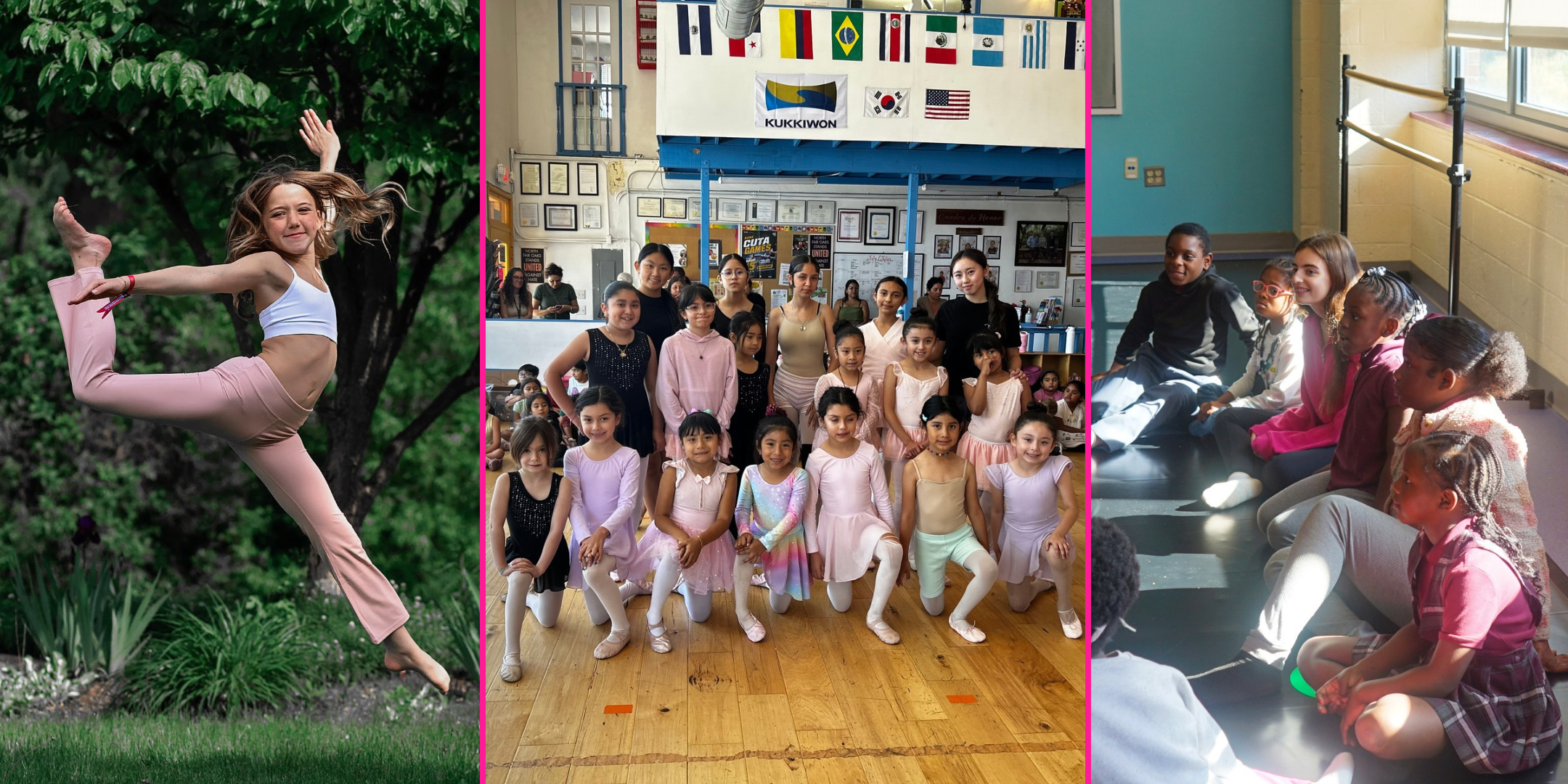
Three Students, One Mission: Making Dance More Accessible for All

Let’s face it: Dance can be expensive. In some cases, an hour of work at the U.S. median wage rate may barely cover a single class, let alone the costume fees, shoes, travel, and other costs that serious training demands. That price of admission shuts out many talented and passionate students from chasing their dreams.
Addressing that problem might sound like a job for adults with deep pockets and years of industry experience. But some teenage dancers have proven that with help, age is no obstacle, founding their own nonprofit organizations to make dance more accessible in their communities.
Meet Abigail Pravinata of Dance Développé, Isabella Addison Perrone of en pointe bels, and Aubrey Sheldon of Dance Studio Direct. These students work to offset the cost of dance with offerings like free classes, donated dancewear, and subscription boxes, helping make room for more dancers across the U.S. who couldn’t otherwise afford a place in the studio.
Dance Développé: Bringing Free Classes to Underserved Communities
In 2022, when Abigail Pravinata was 13, she and her duet partner, Claire Yu, were having a standout competition season. But winning competitions “wasn’t very fulfilling,” says Pravinata. Backstage at the Youth America Grand Prix finals, she and Yu started talking about something much bigger than their next medal, doing the math on what ballet actually costs. Most shocking of all? Pointe shoes. “The price honestly baffled me,” says Pravinata.
That conversation became the starting point for Dance Développé, a student-led 501(c)(3) nonprofit that provides free ballet classes to children ages 5 through 9 from underserved communities across the Bay Area. Four years later, Pravinata is 17, and the organization is still growing under her leadership, funded through individual donations that cover everything from studio space to costumes. So far, the program and its volunteer instructors have reached more than 80 students, by her count.
Dance Développé partners with community organizations like Casa Circulo Cultural to reach families who might not otherwise be able to afford classes. The program meets weekly during fall and spring terms, and all students have the chance to perform in community shows throughout the year. A few are also selected to dance in annual full-length productions with Palo Alto’s Ramon Moreno School of Ballet, where Pravinata trains.
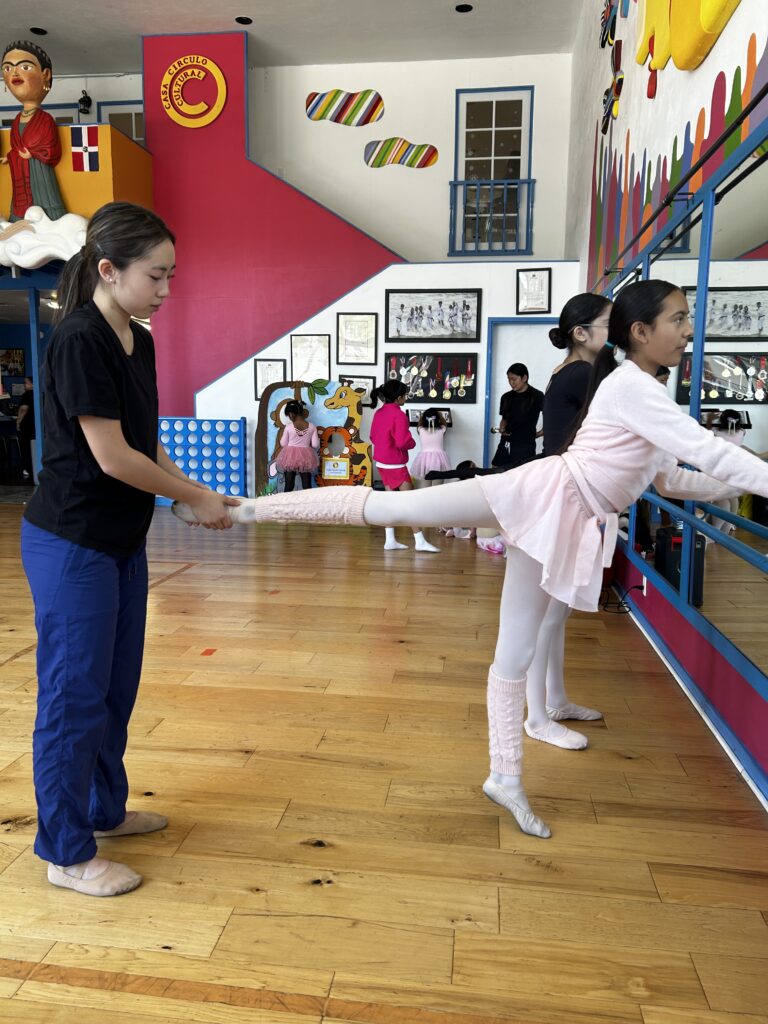
Pravinata says that her mother, who owns a music school, has inspired her by showing her how to “develop and create meaningful programs for children.” And for the teen, the biggest wins happen long before the curtain goes up—they’re when new students take their first ballet steps, gain confidence, and realize that ballet can be for them, too. “Talent and passion exist in any community and should not be limited to those who have access to pursue it,” she says.
en pointe bels: Turning Closet Clutter Into Costumes for Kids
Thanks to 16-year-old Isabella Addison Perrone, more than 1,200 kids across the east coast can now enjoy costumes that once sat unused.
It all started three years ago, when Perrone looked at the piles of gently used dancewear and costumes in her home in Ridgewood, NJ, realizing she probably wasn’t alone. “People can buy up to a dozen costumes for one weekend, and they’re never used again,” she says.
In March 2024, Perrone founded en pointe bels, a 501(c)(3) nonprofit that collects new and gently used hand-me-down pieces from dancers in her community and shares them with kids who need them. She started small, putting up flyers around her neighborhood to let families know she was collecting donations. Word spread, and, today, the program delivers donated dancewear and costumes to six partner organizations across New York City and Washington, DC, including Harlem School of the Arts, Rosie’s Theater Kids, TADA! Youth Theater, DC Collaborative, Sitar Arts Center, and Bread for the City. Those organizations then pass along the pieces to students in their programs.
“My mission is to give every kid within the performing arts and dance community an even playing field,” says Perrone. She aims to outfit more than 3,000 kids by fall 2027.

Perrone is grateful for the mentorship she’s received, especially from DC Collaborative’s Alorie Clark and Ashlee McKinnon. As for other young dancers who want to turn ideas into action, Perrone has some advice: “Add your own unique touch and share it with the world.”
Dance Studio Direct: A Subscription Box With a Cause
Imagine a box showing up on your doorstep every season, filled with dance-class necessities. Now imagine that opening that box means another dancer gets one too. That’s the concept behind Dance Studio Direct, a quarterly paid-subscription project founded by 12-year-old Aubrey Sheldon of Davisburg, MI.
“There are so many kids who love dance but might not have access to the things they need to feel confident and included,” Sheldon says. “I thought a subscription box would be a fun way to give dancers things they could actually use and get excited about.”
Sheldon launched DSD in 2025 after receiving an Acorn2Oak grant, an initiative from Leadership Oakland that funds business ideas from young people ages 8 through 18. Thanks to donations by brands like Stelle Athletica, Body Wrappers, and RubiaWear, every DSD box includes dancewear, accessories, and beauty products along with dance tutorials Sheldon films herself. (Sheldon hopes to include something different in every box, so no two subscribers get quite the same experience.) The model is simple: For every box purchased, another is donated to a dancer in need. “I really like that someone can get something they love while helping another kid,” Sheldon says.
Currently, the free boxes go to dancers nominated by local studios. Sheldon has also reached out to nonprofits and donation centers in her area to expand DSD’s reach; her next goal is to update the website with an application portal where people can subscribe and nominate dancers who would benefit from a box. (Orders have been placed over email in the meantime.)

Sheldon has received guidance from her mother, who has nonprofit experience, as well as lots of support from her studio. But building DSD hasn’t always been easy. At first, Sheldon wondered whether others would see her business as legitimate. “When I first had the idea, I didn’t know if people would take me seriously because I was only 12,” she says. “But I’ve learned that if you really care about something and are willing to work hard, you can make it happen. You don’t have to be an adult to make a difference.”


