How to Nail an Improv Challenge

If you’re a competition dancer, you may know the feeling of standing onstage waiting for your turn to dance, with one big question in mind: “What am I going to do?”
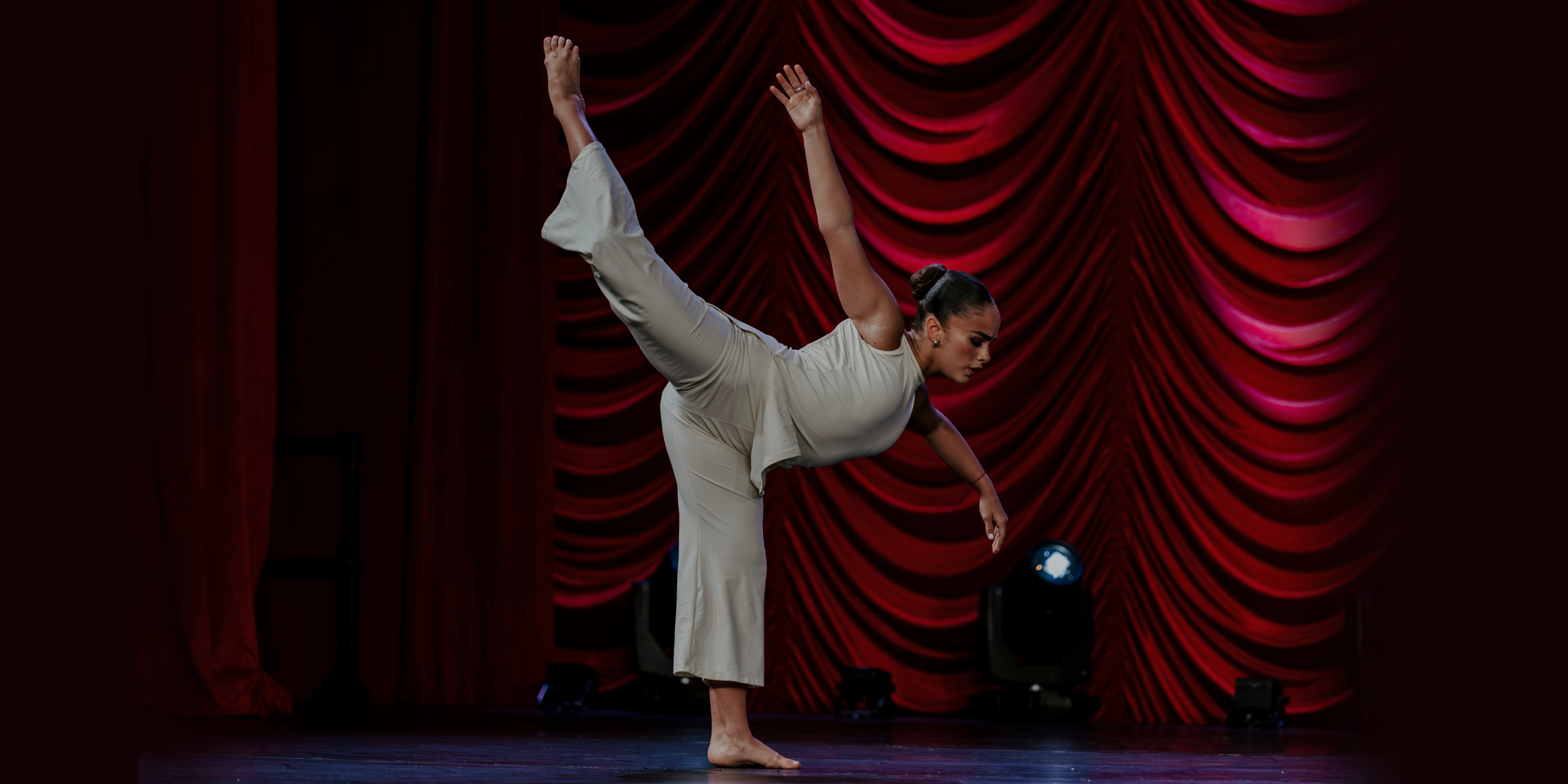
In improv challenges (also called improv “competitions” or “battles”), dancers perform on the spot for a song or set of counts and receive a score on their performance. And lately they’ve become some of the most-watched dance moments online. Take 2026 Female Senior Best Dancer Giselle Gandarilla’s performances in The Dance Awards Dance-Off, for example. Watching her, you’d never guess she made them up then and there. So how’d she do it?
To find out how to turn snap-decision dancing into a memorable performance, Dance Spirit asked three experts—Gandarilla, fellow improv wiz Joey Vice, and Nuvo Dance Competition judge and faculty member Jason Parsons—for their best tips.
What Makes Improv Successful?
For Parsons, dancers who look totally immersed stand out. When teaching improv at Nuvo, he uses task-based exercises to encourage students to explore their relationship to music, negative space, and different points of initiation within the body.
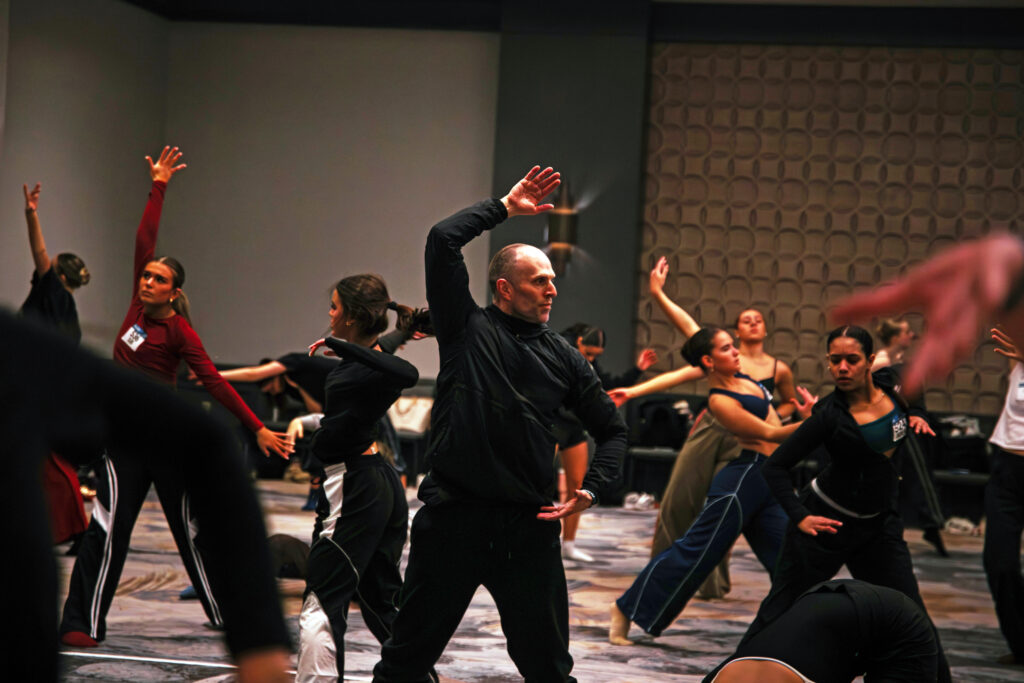
Parsons appreciates when a dancer’s energy is “in the pocket,” meaning they incorporate texture and dynamics that directly respond to the music. “I think you can feel when someone is authentic—when they’re really in tune with the space, the sound, and the environment,” he says.
Fill Your Toolbox
It may be improv, but that doesn’t mean you can’t prepare yourself. For Vice, the Los Angeles–based performer and teacher behind the viral “Dracula” improv from The Joffrey Ballet School’s summer intensive showcase, the method is simple: Take more classes and build a broad movement vocabulary. By training in styles like popping, vogue, hip hop, and acrobatics, he has developed a wide range of skills to draw from: “I’m trying to get different movements feeling familiar in my body so that whatever position I’m in, one of those things can come out.”
Getting used to your personal sense of movement helps, too. Gandarilla has found that practicing improv on her own makes the process feel familiar, which lets her trust herself onstage.
Facing the Nerves
Gandarilla doesn’t crack under the pressure of having eyes on her. She admits that improv competitions can feel make-or-break, or like you have to prove a certain level of skill: “It can feel like I need to put in every trick I’ve learned in the past 10 years,” she says. “But that’s not what the judges are looking for. You should always stay true to who you are as a dancer because that is already enough.”
Before the challenge starts, take a moment to center yourself. For Parsons, breathing and grounding himself in the moment helps him stay in tune with his body. Vice also advises against overthinking and perfectionism. “It’s not going to be perfect,” he says, “and that’s what you have to allow yourself to be okay with.”
Watch and Learn
As you watch your peers take their turns, Parsons recommends using their dancing as inspiration. “Keep your eyes really open, and let what you see be information rather than intimidation,” he says. Another dancer’s movement might spark an idea; the key is to make it your own. For example, if someone does a leg extension, you might do the same but with a different body orientation or transition.
Listen Up
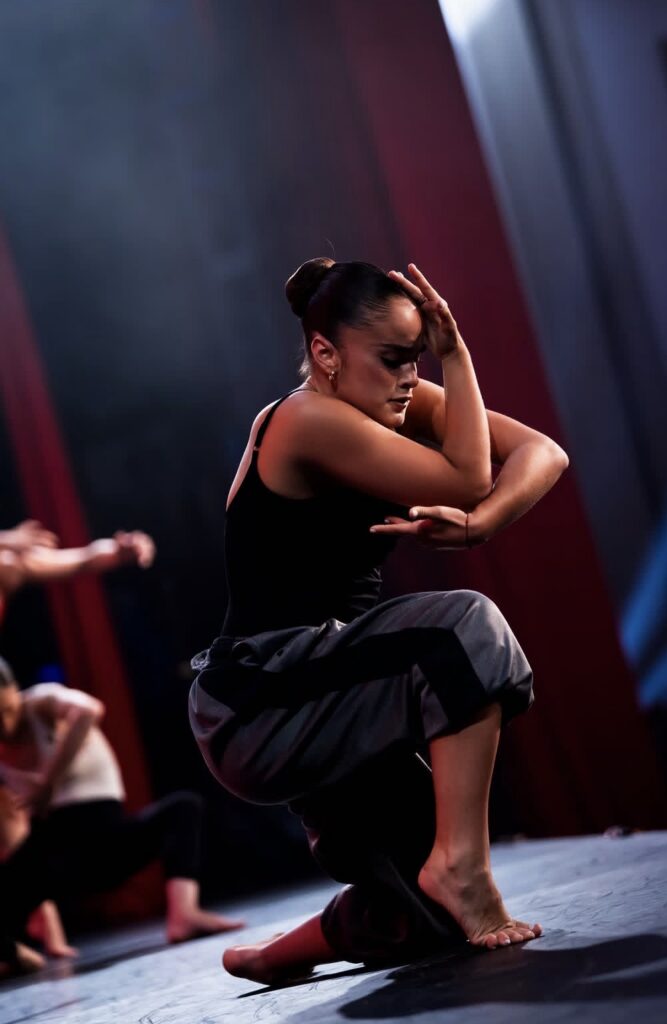
The music for your turn starts and, of course…You don’t recognize the song at all. To Gandarilla’s horror, that happened with her most recent TDA improv challenge. “I realized I needed to lock in and listen,” she says, “paying attention to the rhythms, lyrics, and intention.” Parsons emphasizes that musicality matters: “It’s so fun when you watch someone who’s really adaptable to music.”
The Stage Is Yours
When it’s your turn to dance, Gandarilla recommends heading to the front of the stage so the judges can quickly connect with your performance. From there, it’s important to fill the whole space to create more dynamic visual patterns. Vice’s secret to traveling is imagining there are a million cameras around him, pushing him to engage with every part of the space. “It’s a full production,” he says. “I need to use the floor, the ceiling, and the corner.”
Adding Special Skills
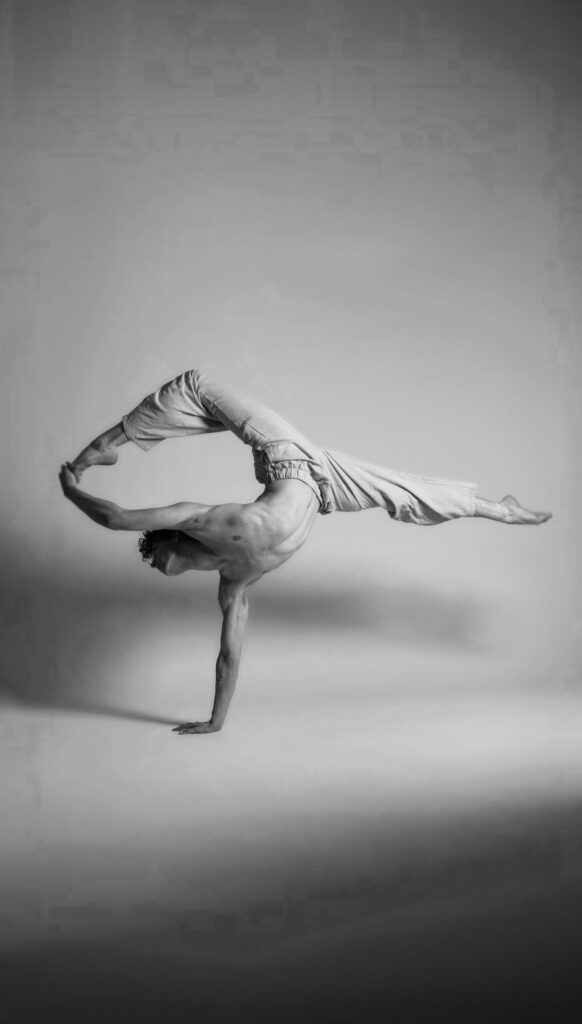
In improv, a trick is only as effective as the way you use it. Even a technically impressive skill can feel disconnected if it interrupts the movement. Vice focuses less on the trick itself and more on how he transitions into it, making it feel like an extension of his dancing rather than a pause. (Pro tip: He suggests having your eyes look opposite from the trick’s direction to better surprise the audience.)
Parsons challenges dancers to experiment with flow, weight distribution, and counterbalance moving in and out of skills. For both him and Vice, the question isn’t necessarily how many tricks are too many, but whether they contribute to the overall performance.
Final Touches
At the end of the day, improv is subjective. (“If there aren’t people who don’t like it, I’m doing something wrong,” says Vice.) There’s no perfect improv, he reiterates, but if you want to succeed, make sure to show the judges your musicality, versatility, and, ultimately, who you are. As you tear up that stage, remember to be unapologetically yourself.


