Feeling Sleepy in Class? Here’s What to Know

It’s that time of year: You’ve gotten into the thick of school, with more homework and exams piling up each week, and rehearsals are appearing on top of your regular dance schedule. You’re waking up early, it’s getting darker sooner, and—gosh, you’re exhausted!
If you’ve ever had to suppress more than the occasional yawn during technique class, you’re not alone. Dancers work hard, both mentally and physically, and busy periods can make tiredness feel like the new normal. But when your eyelids get droopy at dance, that’s not something to ignore.
From sleep habits to nutrition, risks, and more, here’s what to keep in mind if you’re feeling a little less than on-pointe.
Sleep Status
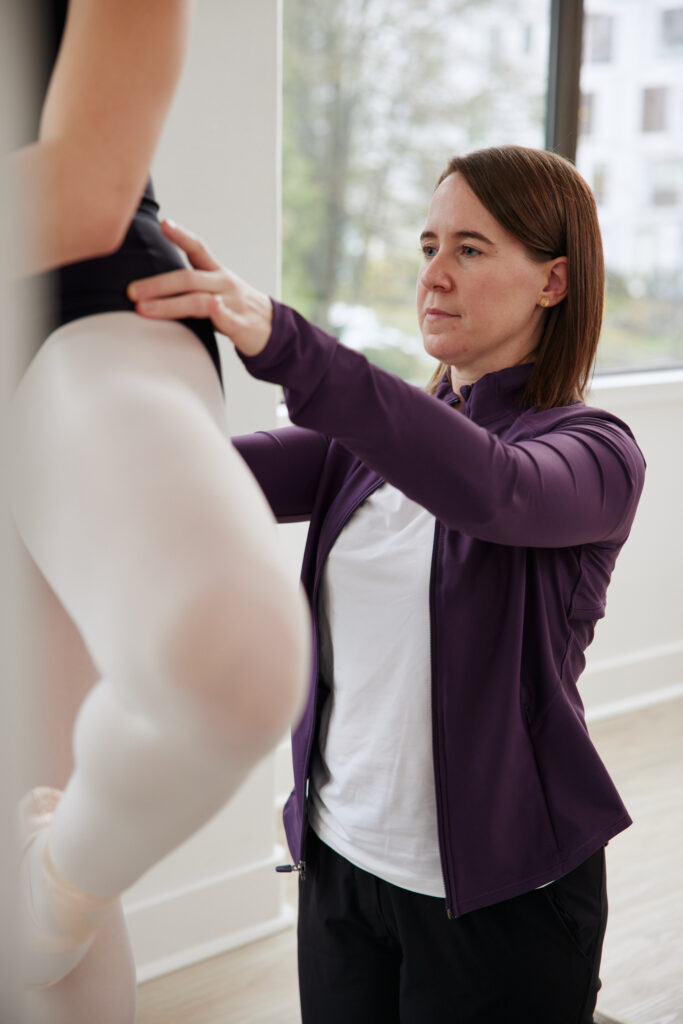
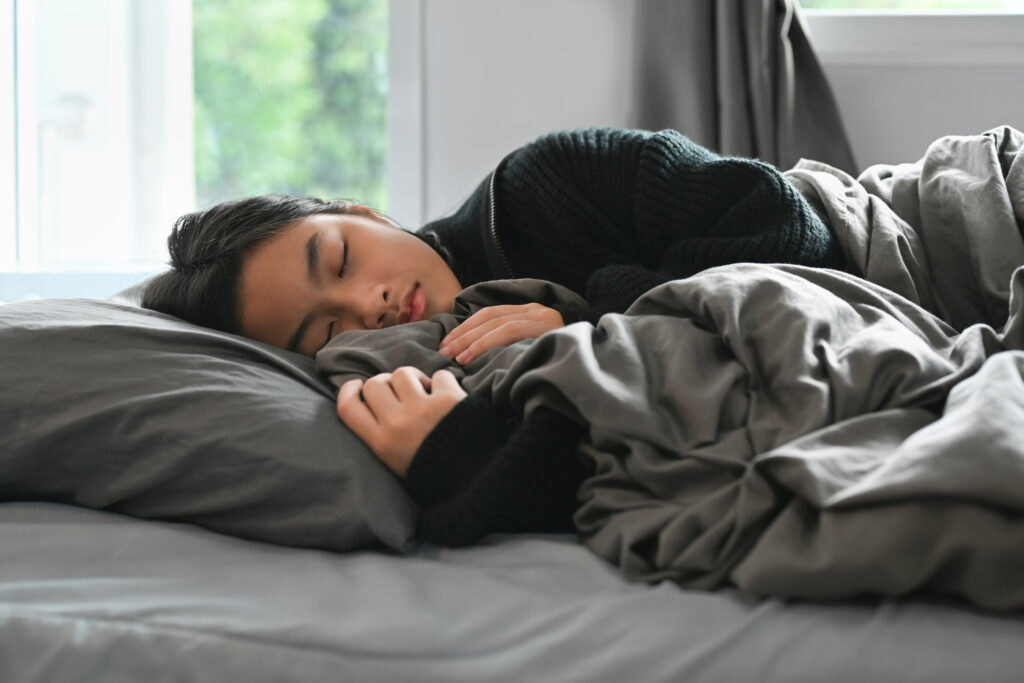
When physiotherapist and former dancer Erika Mayall hears that a student feels tired in class, her first instinct is to ask about their sleep patterns and quality. Teens and tweens should get at least eight hours of quality sleep per night, she explains, though athletes like dancers may need closer to nine or 10. “Practically, that can be hard to achieve, especially with school and schedules in the dance world,” she says, but aim for a minimum of eight uninterrupted hours.
Going to bed and getting up around the same time each day helps. “That’s important in terms of our body knowing when it’s time to sleep and time to be awake,” explains Mayall. If that cycle becomes disrupted, daytime sleepiness can creep in. Again—class, rehearsal, and performance schedules can make it tricky to maintain total consistency, but try your best.
Mayall adds that if you’re practicing good sleep hygiene (for example, sleeping in a cool, dark, quiet room and avoiding screen time before bed) but frequently wake up during the night or have trouble falling asleep, that may point to a larger problem. Let your parents or guardian know if you regularly struggle to get quality sleep or don’t feel rested after waking.
Fueling Right
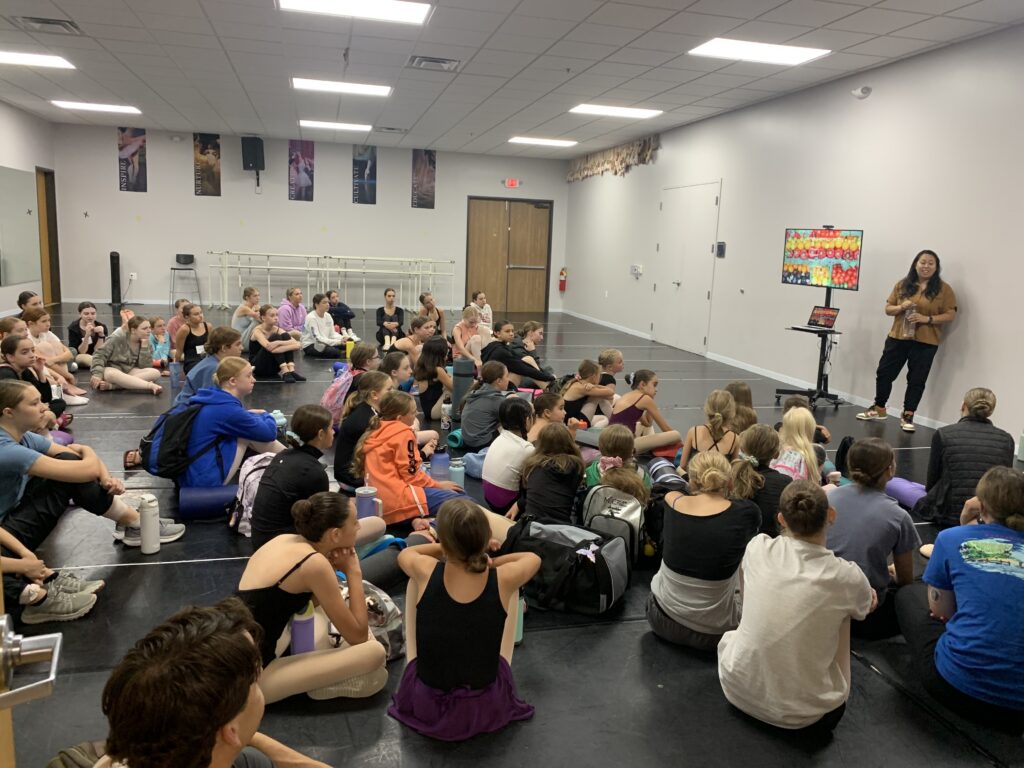
When dancers feel drowsy in class, registered dietitian Grace Derocha first asks whether students feel tired just at dance or throughout the day. “That helps give you a sense of what you’re dealing with,” she explains, like how meal or snack timing might affect your energy levels.
Above all, make sure you’re consuming enough food and water. “You can’t eat healthy if you aren’t eating enough,” says Derocha, who is also a former dancer and a current dance mom. Depending on your schedule, she says, the general guideline is to eat every three to five hours, prioritizing three full meals and nutritious snacks in between. (Do not skip meals, she warns, even if your friend group makes it a habit.) For busy dancers, it helps to prep ahead with packed snacks and meal-planning.
Derocha recommends carbohydrate-rich snacks like fruit or crackers for before dancing. “Carbs get a bad rap, but they provide the quick energy you need,” she says. But if you’re feeling tired all day long, pay attention: “Feeling weak or dizzy, or experiencing headaches—those are all signs something bigger could be going on,” she says, like iron deficiency or a digestive issue. Again, talk to a parent or guardian so they can help you find the care you need.
The Risks
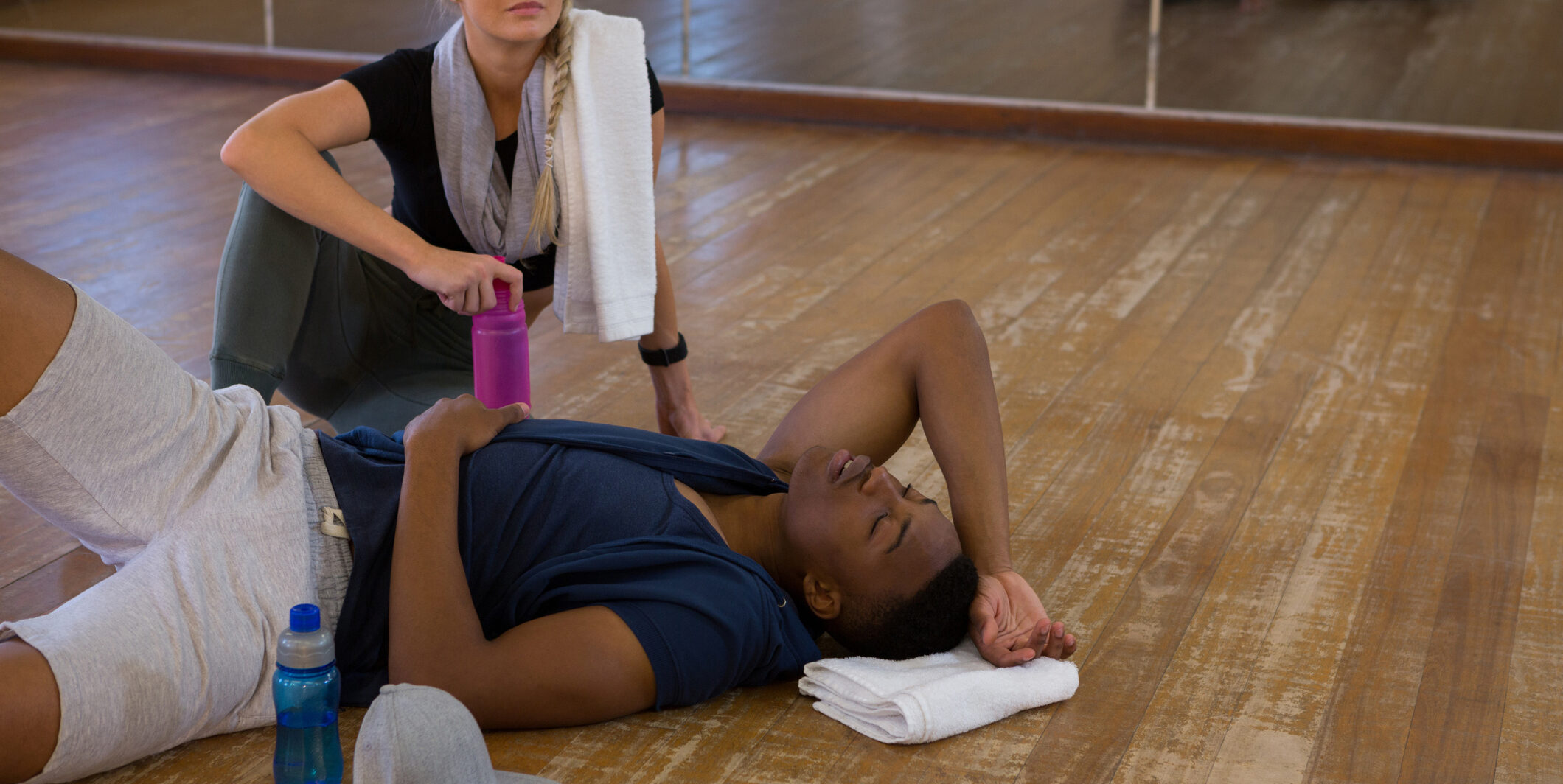
Dancing while sleepy can be risky. “There’s a danger of injuring not just yourself but other people,” says Derocha, especially if drowsiness causes your timing to be off while partnering or rehearsing in tight formations. Mayall explains that lack of sleep is associated with decreased muscle recovery, reaction time, coordination, and motor control—all necessary elements for optimal (and safe) dancing.
That’s all on top of the mental toll of exhaustion, adds Derocha. It’s not fun to feel behind or struggle to process choreography. “Everything feels harder when you’re tired,” she says. On days when you’re feeling groggy in class, use your energy wisely. “It’s probably not the time to be really pushing yourself or trying to learn new tricks or skills,” says Mayall. Instead, focus more on foundational technique or honing your artistry.
Mayall reminds dancers that movement can boost energy. But if the opposite occurs, and dancing drains you further, it may be time to stop for the day. (She recommends that instructors check in with students on their energy levels at the start of each class.)
Quick Tips
Check in: “Keep an eye on your mental health,” says Derocha, because chronic stress can negatively affect sleep quality. She recommends mindfulness practices like meditation and journaling. But if you’re experiencing prolonged anxiety or other mental health challenges, seek professional help.
Wind down: Nearly every dancer knows what it’s like to lie in bed with that evening’s combo stuck in their head. To combat the spiral, Mayall recommends following a relaxing, set routine before bed, like taking a warm shower and listening to calming music. “That signals to your body that it’s time to rest,” she says.
Hydrate: Don’t sleep on water! Dehydration can lead to fatigue, says Derocha; during dance, teens should drink roughly 16 to 24 ounces per hour of movement. If you’re sweating bullets, a pinch of salt in your water bottle adds an easy electrolyte boost.
Watch the caffeine: Despite their appeal and popularity, Derocha does not recommend tweens or teens turn to coffee or energy drinks before class. Consuming caffeine every day can cause dependence, she explains, and it can affect sleep, making you more tired the next day. “If you’re going to drink caffeine,” she says, “do so only on occasion, in small amounts.”
Consider the catnap: If you can, opt for a quick snooze. Erika Mayall says that one nap per day can offer a much-needed energy boost—as long as it’s not too late in the day or longer than 30 minutes. “That can disrupt your sleep at night.”


