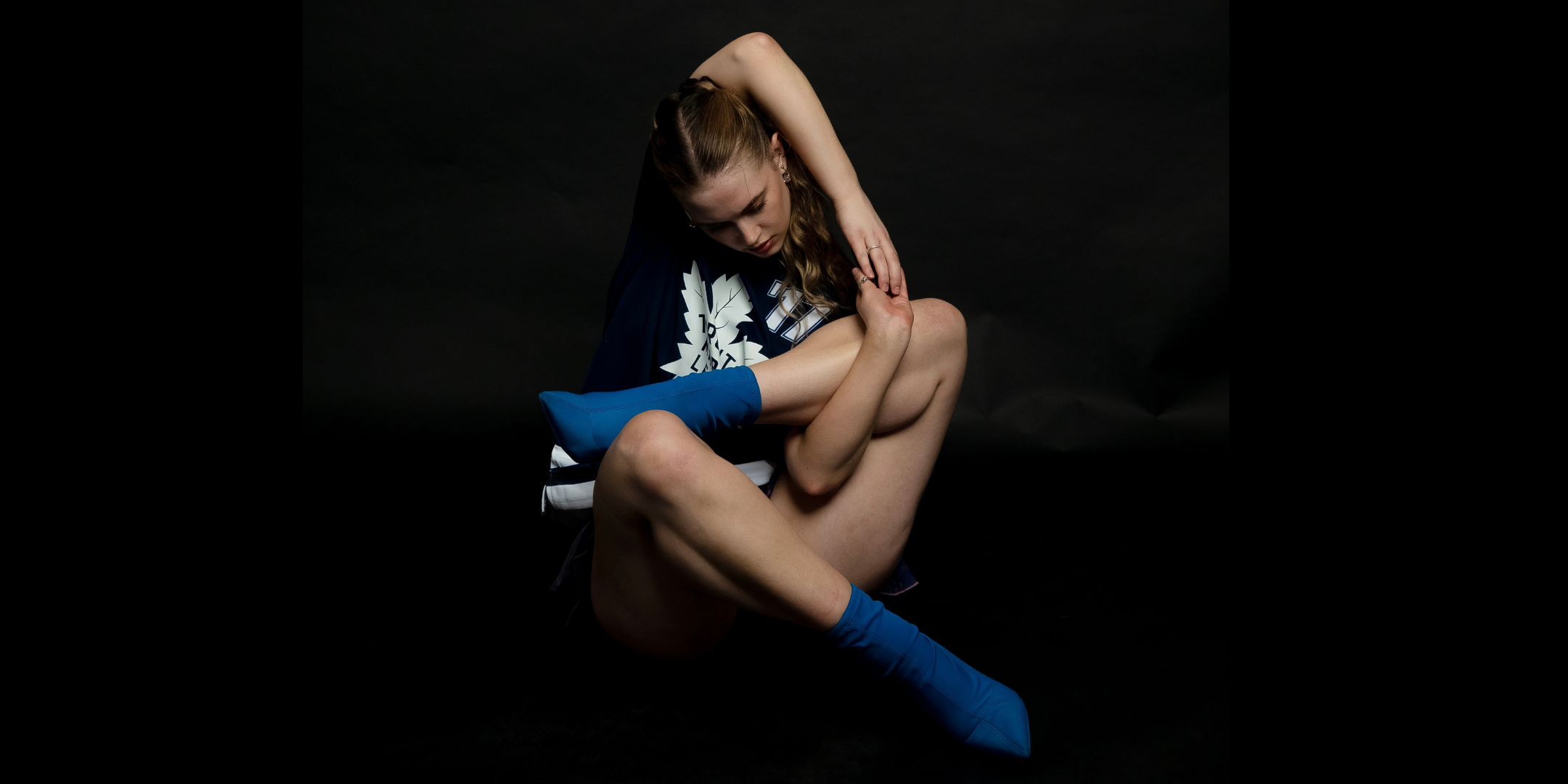
How Spoon Theory Saved My Dance Career

Navigating the dance space can be difficult for anyone, but doing it while having multiple disabilities—especially when you don’t know what they are—is a whole other ballpark. I’m Lucy Turner, a 24-year-old dance artist based in the UK, and up until my 20s I had no clue I was disabled. Don’t get me wrong—I knew something was different compared to other dancers. But without knowing what was different about me, I couldn’t find the tools to help me thrive.
When I began a university dance program in 2021, the school’s physical-support team, which takes care of people with injuries and disabilities through physical therapy, diagnostics, counseling, and other treatments, managed to get me a diagnosis of hypermobile Ehlers-Danlos syndrome. That opened the floodgates for getting diagnosed with a wealth of other associated health problems, including information-processing differences. (That meant that I struggled with understanding audio when there were overlapping sounds, and that I processed instructions at different speeds than others.) We had a lecture once about avoiding burnout, and in it the speaker introduced us to the “bucket theory.” The idea is that you have seven buckets representing core aspects of your life (physical, spiritual, mental, sensory, etc.), and when a bucket gets too full, you need to empty it to avoid becoming overwhelmed. I asked the lecturer, “As I’m chronically ill, what if I have no energy to empty the bucket?” There was no answer for me.

I recounted this to my sister, who changed the game for me by asking, “Because you have a dynamic disability, why haven’t they told you about ‘spoon theory’?” Spoon theory, as I came to learn, is an analogy coined by writer and advocate Christine Miserandino for people with limited energy resources. Upon waking up, they’re presented with a finite number of energy “spoonfuls” and need to decide which activities to spend them on. Certain tasks cost a different number of spoons. For example, taking medication might take one, whereas bathing might take three, and doing a short dance rehearsal might take seven.
To help manage my energy, I began trying to apply spoon theory to my own life. On days where I knew dance might require more from me, I began cutting back on activities that would take my spoons away unnecessarily. Unless I was dancing, I did not stand or walk without a purpose. In rehearsals, as soon as a choreographer began explaining things extensively, I would sit so I could focus my energy on staying mentally engaged.
Interestingly, I found that when I sat down, it gave permission to others to manage their resources too. I would sit, then neurodivergent students would, followed by hypermobile students. Instead of going full-out every time I danced, I marked the movement unless it was important for the choreographer to see a full run. And guess what I discovered? Marking movement helped me process choreography better and retain it in my muscle memory, and it showed choreographers that I had a developed skill set. My professionalism in dance went hand-in-hand with how I managed my disabilities.
Of course I still had to do daily activities like eating and taking medications, even though they also took energy. I had to find less fatiguing versions of other activities: Cooking became blending fruit to drink, and bathing daily became every other day, or I would supplement with cloth baths. My peers would go to the pub daily with friends, but I rarely had enough spoons to hang out outside of class. Having limited energy automatically means you wake up every day making sacrifices, and the things you need become more important than the things you want. There’s truly nobody more disciplined in the dance studio than a disabled dancer!
It’s been two years since I graduated dance school, and I have my physical support team and spoon theory to thank for that. Now, as a choreographer, performer, writer, and director, I build the theory into my work. My recent solo show, The ‘Ten-In-One’ Girl (about circus freak-show acts with Ehlers-Danlos), was a real learning moment of finding how to pace myself as the only dancer onstage. While deciding the show’s order, I put more strenuous segments next to calmer ones and used strategic blackouts so I could unmask and reset any joints that may have dislocated.

I teach weekly at Pineapple Dance Studios in London, building a community of chronically ill and neurodivergent dancers thanks to spoon theory. I encourage my students to pace their energy and have full autonomy of their bodies with how they engage in the space, and I tell them to mark multiple times throughout class. Little did I know this would build a two-way street—the respect I hold for their needs, they also hold for mine, which helps me manage my own spoons while teaching.
As long as disabled dancers exist, they will always have a place in the industry. But they need the tools! If you know a disabled dancer, check in with them and ask: “How many spoons do you have today? Is there anything I can do to help you manage them?” You get extra brownie points for using the spoonie lingo, and who knows? You might become the reason a dancer continues their dance journey.
Lucy Turner is a UK-based performance artist, dancer, choreographer, model, actress, teacher, and creative.


