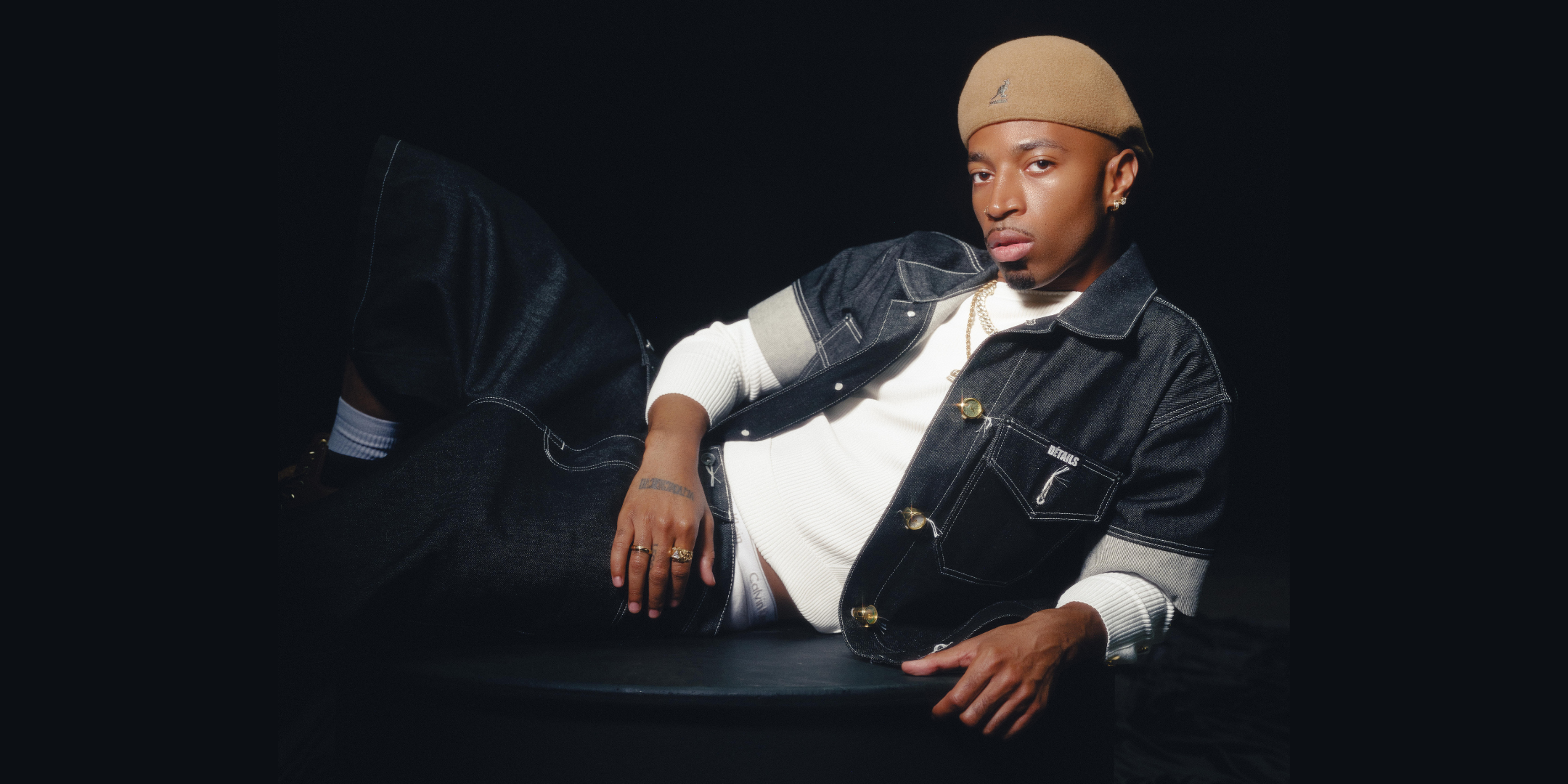
Tyrik J Patterson Is Choreographing All Your Favorite Pop Stars
Tyrik J Patterson knows what it takes to turn pop choreo into the main act. The Dallas, Texas–born dancer and choreographer has worked on music videos, Netflix specials, brand collaborations, and concert productions with major stars like Beyoncé and Zara Larsson. First discovering movement in high school before joining a local troupe, he became a dance major at The University of Texas at Austin with no prior technical experience. “I was a late bloomer in the pool of dance talent—I did not come out of the womb doing a two-step!” he jokes. After moving to Los Angeles in 2018, he landed his first professional gig in the music video for Olly Murs’ “Moves,” featuring Snoop Dogg.
Fast-forward to 2026, and Patterson is one of the industry’s most in-demand talents, building what he describes as a thrilling “arc of choreography” while drawing inspiration from Black culture, architecture, and language. Here’s how he’s leaving his mark on stages across the world.
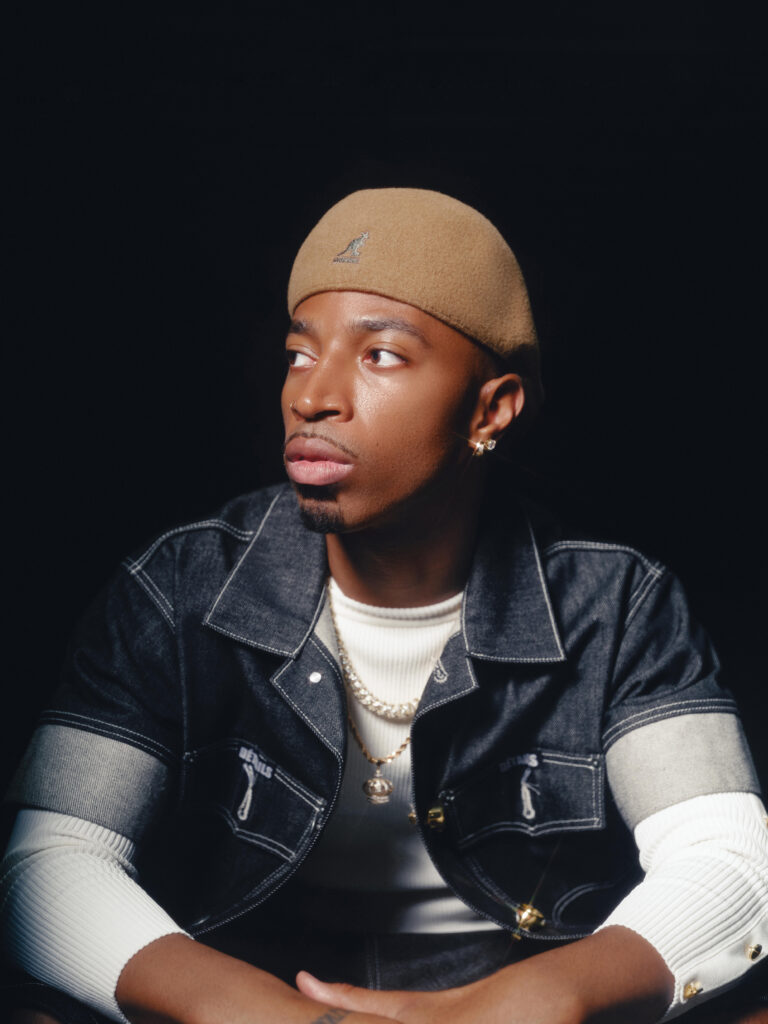
What is your process when it comes to choreographing for a pop star?
It has to start with observation and really studying the person that I’m working with: Who are they as a person? Where is their quirk? What are the different intricacies of their personality that we can bring out within the movement? Second, it’s a matter of watching—with Zara Larsson, for instance, how her body naturally moves, and [asking], “How does that show up physically, where there’s a balance of diva and the humanness that she possesses?”
The dancer roll call during Larsson’s Midnight Sun tour has been everywhere. What’s the story behind that interlude, for which you also wrote the lyrics?
The first day we got [to rehearsals], Zara mentioned how she wanted to create a transition for the dancers to be highlighted, and she gave us this backbeat. My associate, Taya Lee, and I heard the beat, and we were like, “Should we just write the lyrics?” We freestyle-rap all the time—that is something that I love to do—so let’s not be surprised if I do come out with a rap career years from now! We sent videos to the girls to get their takes on it, and they loved it.
How has it been to see dancers in your projects be recognized as individual talents in their own right?
Incredibly rewarding. I have always been vocal as a choreographer within the process for there to be space to celebrate these people that are also part of the world the artist is trying to build. I don’t think they’re just extensions of them. They echo the same grit, passion, and vocal prowess, but it’s physical for them.
You worked as a choreographer on Beyoncé’s Cowboy Carter tour, which continued certain motifs from the Renaissance tour. What was your approach?
It was a process of looking at the template and context of the three-part big picture [of Renaissance, Cowboy Carter, and Beyoncé’s next album]. Not only are we looking at the context, music, and art direction, we are studying the cultural footprint that was left with Renaissance. You’re trying to figure out the right amalgamation between that, as well as who Beyoncé was in past eras, in a way that still champions the current.
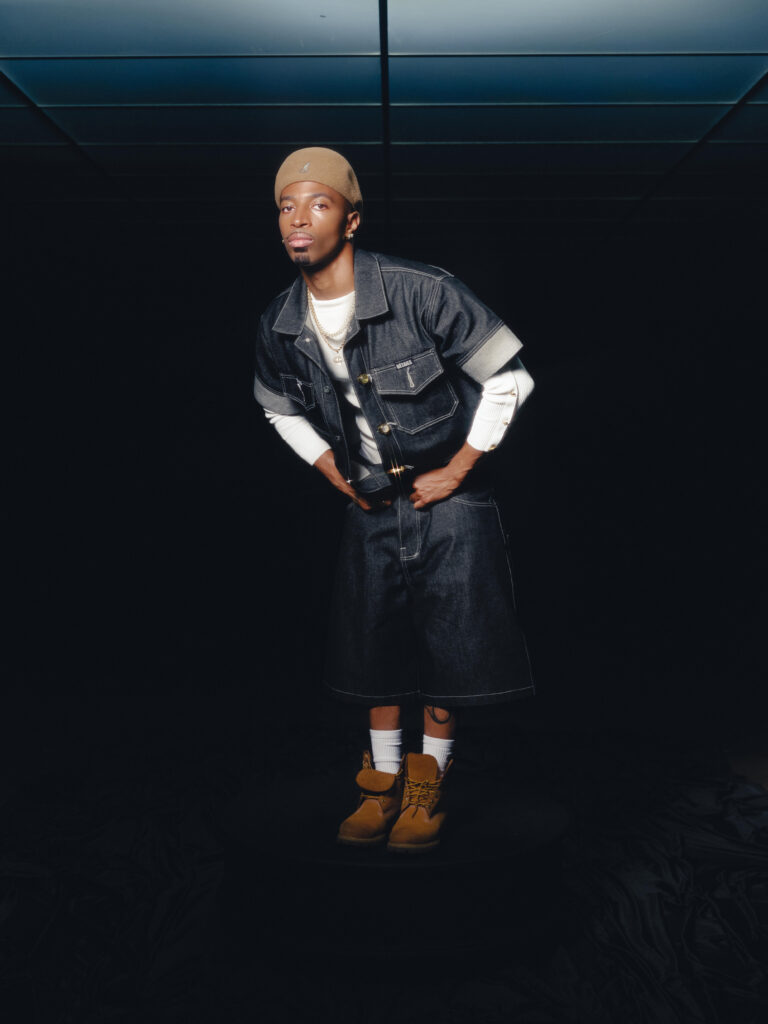
You also worked with Doechii as she was breaking through to the mainstream. How do you collaborate with an artist who is discovering their dance vocabulary for the first time?
It’s about the play. With social media these days and how increasingly we have to be product-forward, it almost feels as though we have to be done before we even allow ourselves the chance to have a process and question things. One thing I enjoy about Doechii is that she is so “process.” I am quite a holistic creative, so though I am here to provide the movement, I do want to be in the music room to understand what’s going on with the content.
Do you have a favorite project that’s been particularly impactful?
[For the running brand] On, with Zendaya. We had 40 dancers from many different walks of life, meaning we really championed diversity, ethnicity, background, dance styles, ability, and body type. It was so cool to be able to create movement that represented a campaign that “Together, we’re one.”
What’s next on your list of career goals?
I’m building a production company [That’s Fire Entertainment]. In the past I’ve been an independent contractor who pulls a seat to many other people’s tables. Metaphorically, I am much more interested now in creating my own table, which will be a safe space. I want to make sure it’s something that people want to return to, where we can create stories with autonomy.


