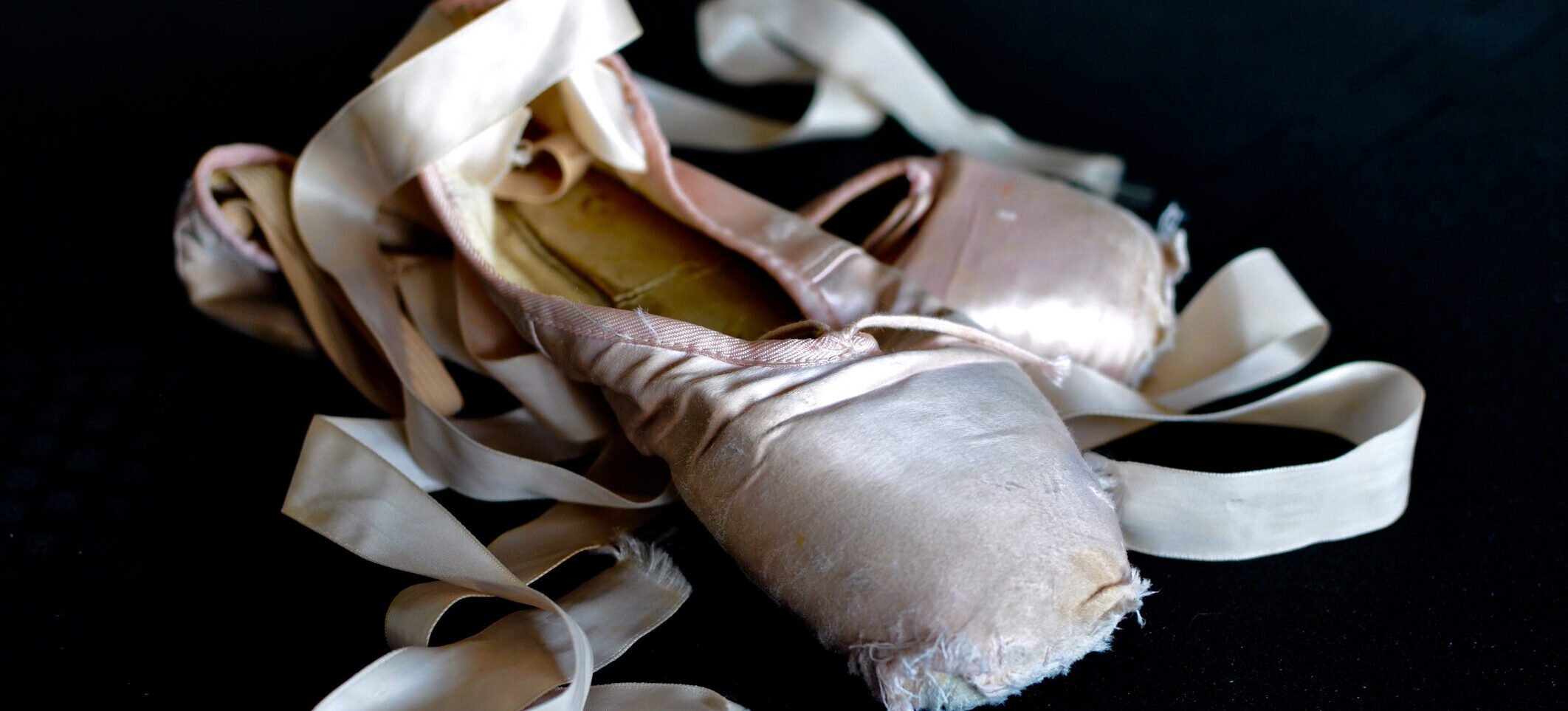
Ask Dance Spirit: Are My Pointe Shoes Dead?

How can I tell if my pointe shoes are dead? I started pointe last fall and have only had one pair, so I don’t know what to look for. —Maya
Hi, Maya,
This is a familiar conundrum! I remember wondering the same thing when I was a first-time pointe student. It’s hard to know what to look for when you’re still getting used to the sensation of dancing in the shoes. You’re doing this for the first time, after all!
If you stick with pointe, you’ll eventually get to the point (ha) where recognizing when your shoes are dead, or dying, becomes intuitive. But in the meantime, it helps to ask trusted professionals in your life—your ballet and pointe teachers, or your fitter, for example—who can lay eyes (and hands) on your shoes.
Typically, a dancer’s first pair lasts between a few months to a year, depending on factors like how often you’re dancing in them and how strong your feet are. In your case, it’s probably time for a new pair. But time itself isn’t always a reliable measurement for shoe “deadness,” so it’s important to pay attention to physical clues, like the shoes’ structural integrity and the sensations you feel while on pointe.
I learned a lot as a dancer, but I was also lucky to be trained as a pointe shoe fitter while working at a dance retail store a few years ago. To help you get a sense for what you should consider—and what your teachers and fitter will be looking for—here is a beginner’s guide to signs of a dead pointe shoe:
The Platform
If you use your fingers to press down on the shoe’s platform (the flat surface that touches the floor when you’re on pointe), is it firm, or does it squish down? If it squishes, you’ve fallen victim to what I call “pillow pointe.” That’s a sign you’re not getting proper support from the platform. It’s often accompanied by pain at the tips of the toes as they “sink” down into the shoe. (We call that “feeling the floor,” but not the good kind.) It can also cause bruised toenails—ouch.
Notice if the edges around the platform are soft, too, especially if you’ve begun to roll over the front while on pointe. That stresses the toe joints and compromises your stability on relevé, so be careful. If your shoes are soft at that top edge, causing the shoe to smush forward, it’s definitely time for a new pair.
The Box, Vamp, and Wings
As you stand on pointe, do you feel the sides of your feet sinking down or rubbing against the inside of the shoe? Do your big or little toes bulge out in the satin, or do your knuckles pop over the top of the vamp (where you tie your drawstring)? If any of these are happening, your box, vamp, and wings are no longer offering you proper support.
Gently squish the wings, too. These soften a bit as we break in our shoes, so some give is normal. But if they buckle in or crinkle, they’ve probably gone too far.
The Shank
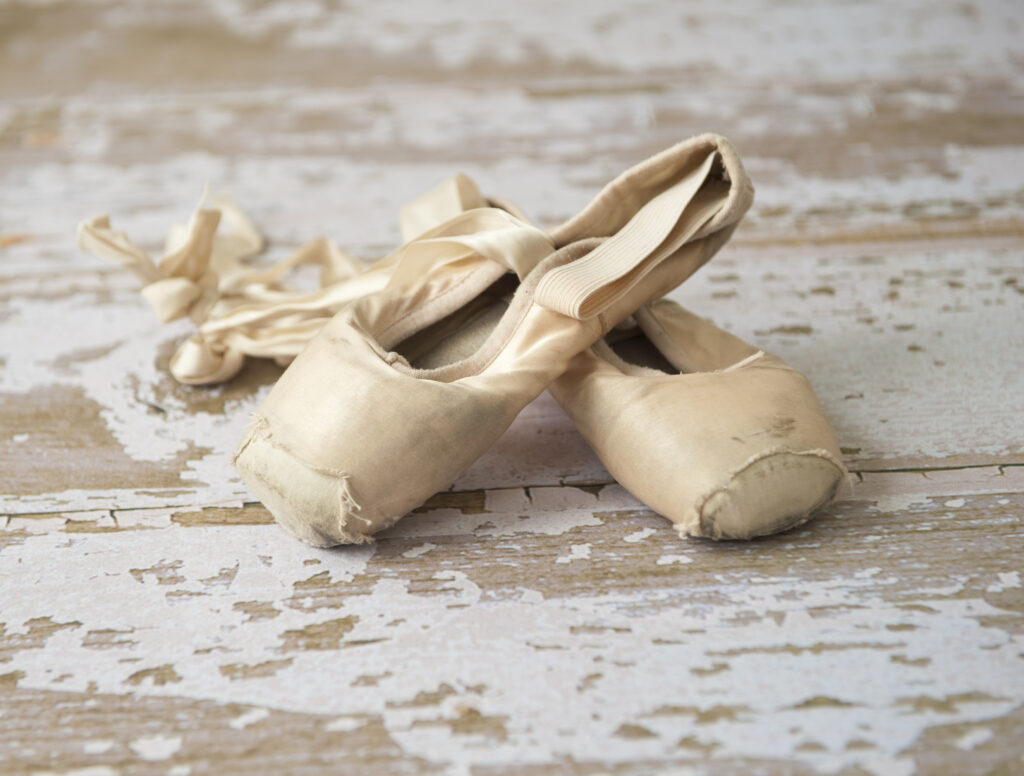
Since you’re a beginner, chances are you won’t be able to bend your shank like it’s a bookmark. (But if you can, yikes! Time for new shoes.) The same goes if your shank has snapped anywhere. More likely, you may no longer feel a sense of lift across the sole of your foot, which causes your heel to sink closer to the floor as you stand on pointe. That also stresses the toe joints and affects your weight placement.
On the other hand, you may also notice some new stiffness in the shank that pulls you back on relevé, making it harder to get over the box. If your shank creaks or feels stiffer than it used to, that’s usually a sign it’s not working as it should.
Other Factors
Remember: A shoe that’s dead in one part should probably be considered done, even if the other parts are still functional. You can have a working shank, for example, but a mushy platform and box that doesn’t support your foot. An application or two of Jet Glue or shellac can help breathe more life into those compromised parts, helping you even out the shoe’s “deadness,” but it’s a temporary fix. If you’re at all unsure about your shoes, ask your teacher or fitter. Dancing in dead shoes can be dangerous.
Even if your shoes aren’t totally worn out, there can be reasons to replace them. An example is size: If your feet have grown this year, making your toes cramp in the box or your heel rub against the drawstring, schedule an appointment with your fitter. Do the same if you’re experiencing pain anywhere that goes beyond the usual discomfort. That could signal you’re wearing the wrong shoe, and the last thing you want is to injure yourself because pain is causing you to compensate.
Thanks for your question, Maya, and “merde” as you continue on your pointe journey!
With spirit,
Kyra Laubacher
Dance Spirit Editor in Chief
Have a question? Send us an email at askdancespirit@dancemedia.com, or message us on Instagram at @dancespiritmagazine!


