
Why Being a Dance Nerd Matters More Than You Think

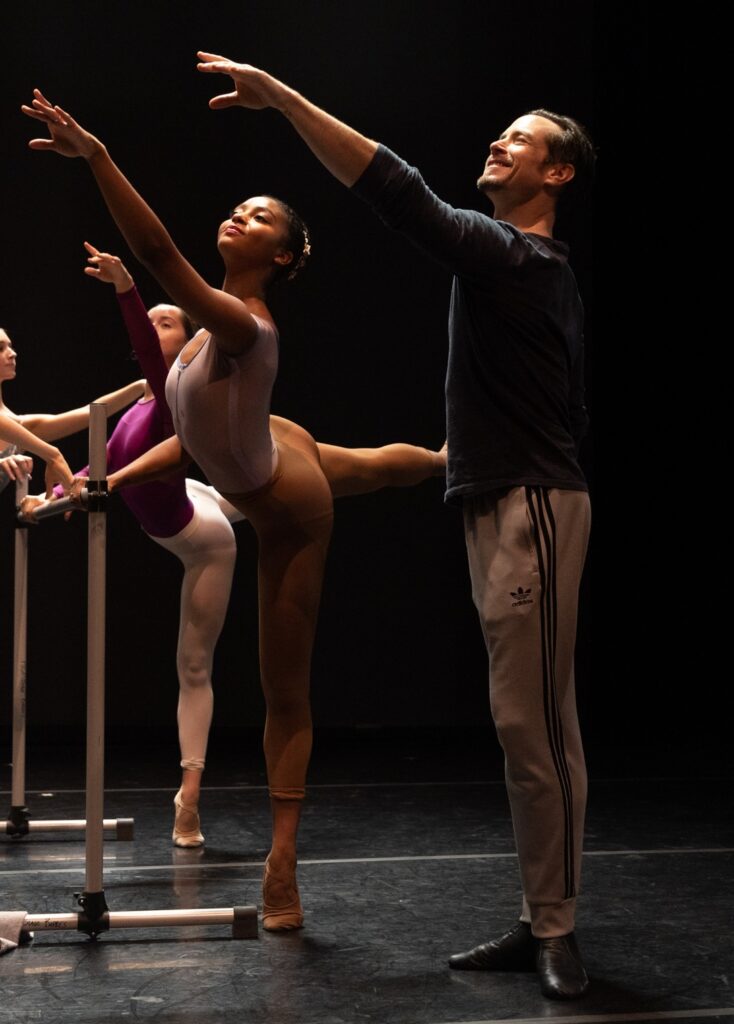
At the 2026 New York City Dance Alliance Nationals in Phoenix, AZ, American Ballet Theatre Studio Company artistic director Sascha Radetsky addressed a ballroom full of teenage dancers as he taught their morning ballet class. “Does anyone know which ballet this music is from?” he asked, pausing the jeté track from Nate Fifield’s The Great Ballets: Vol. 1. When no one answered, he smiled and provided a clue: “It has a lake!”
That morning, Radetsky was instilling a very important message: If you want to be the best dancer you can be, you’ve got to know your stuff.
Cultivating a thorough understanding of the history, techniques, music, and terminology of different dance forms takes time and dedication—especially for students studying four, five, or even more styles. But it can also be fun, and that work pays off in a myriad of ways.
Below, three experts share their thoughts on why it matters to be a dance nerd, as well as some helpful tips on how to become one.
Tools in the Toolbox
From a practical standpoint, knowing dance history and techniques helps aspiring professionals improve artistically. For example, to tackle a certain role or character, “you want to understand the circumstances, cultural norms, and artistic values of the time in which the work was created,” says Radetsky. Cultivating authentic performance takes thought and research. And understanding a piece through and through—from its music to its choreography, style, and notable performances—allows dancers to better grasp the role and make it their own.
The same goes for mastering certain steps or styles, like the Vaganova method in ballet or the Simonson Technique in jazz. “You want to have as wide a view as possible of the stories you’re trying to tell, and as deep an understanding of the art you’re practicing,” says Radetsky. “It’s a portal into being a well-rounded artist and person.”
Back to the Future
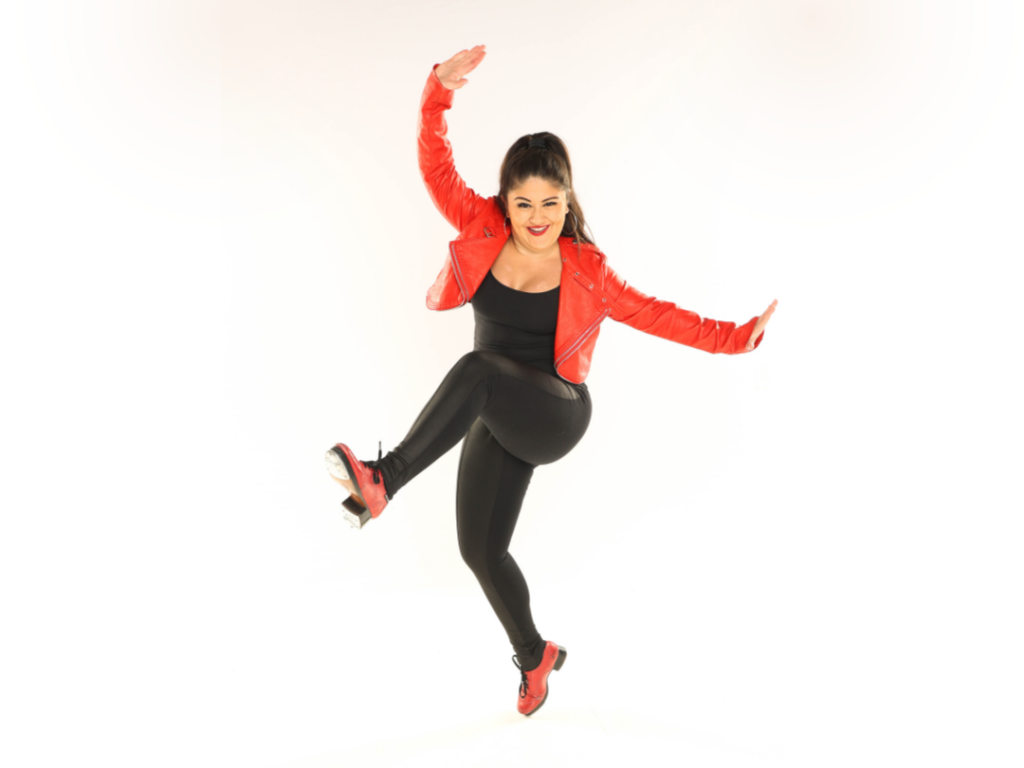
That knowledge is also a portal into the future. “You have to know the masters that came before us,” says Kelsey Rose, a Detroit-based tap artist and educator. “How else can you understand how you got to be where you are?”
If you think about it, she says, knowing as much as you can about dance is pretty empowering: “We want to make sure our art forms are growing and consistently getting better. Knowing where we came from gives you what you need to make your own decisions and push the future forward.” No matter what your dance goals are, she says, we are all part of the dance family tree.
Dance Responsibly
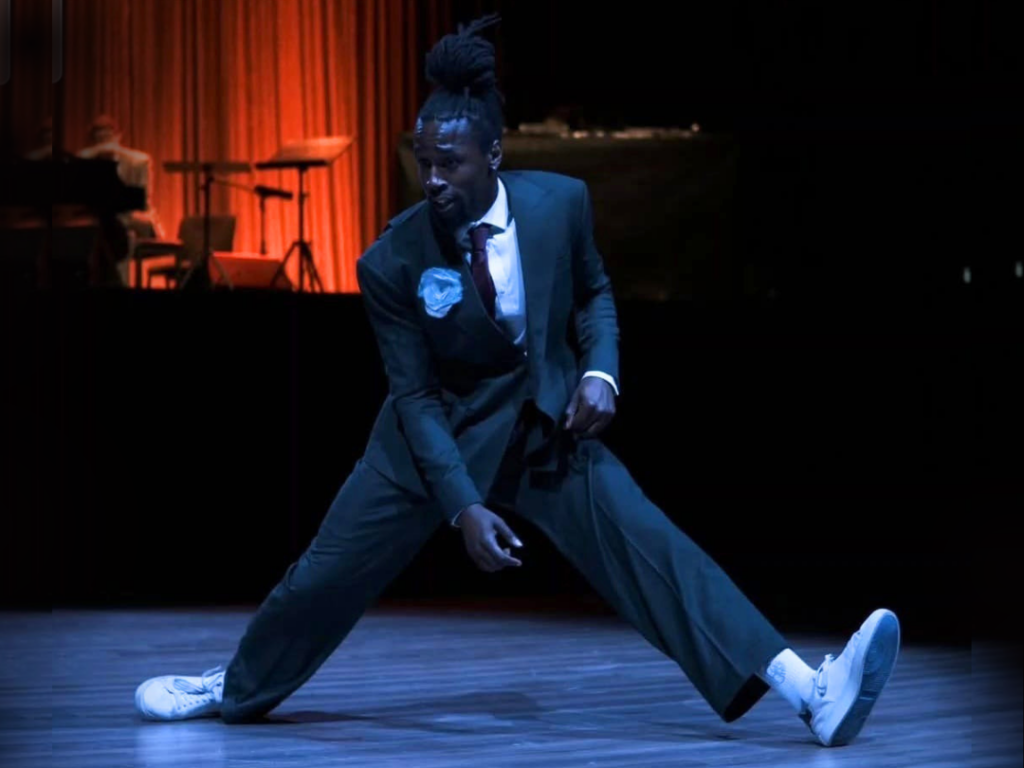
Every person plays a role in what eventually becomes history, says creative artist, educator, and historical consultant Tyedric Hill: “It’s important to be informed, so we don’t make harmful generalizations or minimize certain dance forms.” Treating every genre with equal respect makes a healthier dance culture for everyone, he says, and each style—whether ballet, Lindy Hop, or tap—deserves the same respect for its history. “It’s on us, as dancers, to preserve that integrity.”
Knowledge is also a powerful way to stay connected to why you began dancing in the first place. “I feel that by knowing the history, I’m able to protect the human core at the center of what I do,” says Hill. “Each generation has to inherit not just the skill of the generation beforehand, but also the love. I really believe that you can’t love something if you don’t know it.”
Nerd Out
So what’s the best way for young dancers to start doing their homework? Here are some pointers.
Lay a foundation: Don’t feel pressured to know everything about everything, says Radetsky: “Focus on building a baseline.” Get to know the major works, techniques, and innovators; Hill recommends aiming for four to five names per genre to start. Then for styles you specialize in, says Rose, dive deeper. (Check out high-quality resources like the New York Public Library for the Performing Arts’ online guides and collections, Jacob’s Pillow’s digital archives, or the Rennie Harris American Street Dance Archive.)
Make it fun: Learning about something you love shouldn’t be a chore, adds Rose. “Making it fun helps it stick—watching footage and doing fun activities and games is the best way to learn.” Gather some friends for a watch party, or try a game of dance-themed trivia. (Rose likes to include tap-themed “Family Feud” at her Wing It Tap Intensive.) Repetition helps, too, she says, so challenge each other to repeat names and titles out loud.
Follow your natural curiosity: If something piques your interest, lean into it! “It’s not a race to know everything,” says Hill. “It’s the desire to ask questions and stay curious that matters.” Follow where your interests take you, and before you know it, you’ll have learned more than you expected.
“I really believe that you can’t love something if you don’t know it.”
—Tyedric Hill, creative artist, educator, and historical consultant
Watch and learn: Dancers can gain a lot by watching. “When possible, there’s nothing like live performance,” says Radetsky. But there’s also a world of options online. “Go for longer-form videos,” he suggests. “Short, flashy clips only show so much.” For Hill, documentaries are a great way to learn in a digestible, engaging format. (He recently enjoyed Plenty of Good Women Dancers on YouTube and Check Your Body at the Door, available to rent on Vimeo.)
Seek Mentorship: “Curiosity and creativity are sustained by community,” Hill continues. “I think the most sustainable way to learn is to find mentors.” Especially for non-concert forms like street dance and social dance, “a lot of our history is passed down orally. If you surround yourself with like-minded people, you’ll find the fuel to keep learning.”
Ask and analyze: Understanding your personal connection to certain works helps you understand and remember them, says Radetsky. Write reflections or discuss performances with friends. And ask questions, says Hill: “Don’t just think about what the dancers are doing, but why they’re doing it.” What did the movement mean? What was the context? And how can you apply it to your own dancing?
Burst your bubble: Finally, it’s a big world out there, says Hill, so stay curious. “You miss out on so much if you stop at what you understand.” Just because you don’t know much about a certain genre doesn’t mean it matters less, he warns, and there’s no cap on your learning potential. “As soon as you stop being curious, you sell yourself short. If you want to continue to grow not only as an artist but as a human being, keep asking questions.”


